Every strong home begins with a trusted roof. Behind that structure stands a roofing contractor whose precision and craftsmanship protect everything beneath. Their work may go unnoticed by those passing below, but every nail and panel they place tells a story of resilience, skill, and trust. In the evolving world of construction, their role has become more vital than ever.
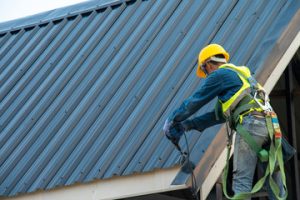
Bears Valley Roofing Contractor does more than install materials—they shape safety. Each decision, from the choice of roofing type to the installation technique, determines the long-term stability of a building. They balance artistry and engineering, understanding that even the smallest misalignment can lead to major consequences. Their precision becomes a silent guardian against time and weather.
Modern homeowners no longer seek only protection; they seek efficiency and design harmony. Roofing contractors have adapted to these demands by blending advanced technologies with timeless craftsmanship. They now assess insulation, sustainability, and style all in one project. The roof is no longer just a shield—it’s a statement of purpose and identity.
The evolution of roofing has reshaped how contractors approach their craft. Gone are the days of one-size-fits-all solutions. Each home requires a unique approach that considers slope, structure, and environmental exposure. Contractors now integrate technical analysis, modern materials, and sustainability into every design.
Precision begins with inspection. Before installation, contractors evaluate every element of the existing structure to ensure compatibility. They examine drainage, ventilation, and foundation strength before a single tool touches the surface. This initial phase forms the blueprint of a long-lasting system built for performance.
The tools of the trade have evolved too. Contractors now rely on digital measurements, infrared scans, and aerial imaging to plan their work. These innovations allow for faster, safer, and more accurate assessments. By combining modern technology with traditional know-how, they achieve results that surpass expectations.
Safety remains the foundation of their profession. Working at heights requires more than courage—it demands discipline and adherence to strict standards. Harnesses, scaffolds, and protective gear form part of their daily routine. Every project reminds them that precision is not just about results but about returning home safely at the end of each day.
The relationship between contractor and homeowner defines the project’s success. Trust grows from transparency, clear communication, and reliability. Homeowners depend on contractors to interpret their needs into tangible solutions that last decades. When expectations align, both sides share pride in the finished work.
Roofing contractors are not just technicians—they are advisors. They guide clients through material choices, cost considerations, and design options. Their experience helps prevent costly mistakes and ensures every decision aligns with the homeowner’s goals. In this way, they act as both craftsman and consultant, bridging vision with execution.
Sustainability has reshaped the roofing industry’s philosophy. Contractors now prioritize eco-friendly materials and energy-efficient systems that reduce waste and promote longevity. They understand that modern roofing is about stewardship, not just structure. This awareness drives innovation and redefines what it means to build responsibly.
A skilled roofing contractor knows that weather is both an adversary and a teacher. They learn how materials respond to heat, cold, moisture, and wind. This knowledge allows them to select the right techniques for each environment. Their expertise transforms unpredictability into reliability, ensuring that homes remain secure year after year.
Experience remains their most valuable tool. Every completed roof teaches lessons that no manual can replace. Contractors develop intuition—the ability to sense weaknesses, predict issues, and find solutions before problems appear. This intuition, honed over years of practice, separates professionals from beginners.
Maintenance and repair also form part of their expertise. Even the strongest roofs require occasional attention to preserve integrity. Contractors offer inspections, sealing, and restoration to extend lifespan and prevent damage. This ongoing service builds loyalty, transforming one-time projects into lifelong partnerships.
Roofing contractors also serve as innovators. They constantly test new materials and methods to improve efficiency and reduce costs. From reflective coatings to interlocking panels, innovation fuels their competitiveness and adaptability. Their willingness to evolve keeps them relevant in an ever-changing industry.
The artistry of roofing often goes unnoticed, yet it defines the home’s character. Contractors shape lines, symmetry, and proportions that harmonize with architecture. A well-installed roof blends seamlessly with the structure, complementing its form rather than competing with it. This visual balance enhances curb appeal and architectural value.
Challenges often test their resolve. Weather delays, structural surprises, and supply issues can disrupt even the best-planned projects. Yet, true professionals navigate these setbacks with patience and precision. Their resilience ensures that the final result meets expectations, regardless of obstacles.
The bond between teamwork and craftsmanship drives every successful project. Roofing contractors coordinate with engineers, designers, and builders to achieve unified results. Collaboration ensures that every aspect—from gutter placement to slope design—aligns perfectly. It’s a symphony of precision guided by shared expertise.
Customer satisfaction remains the final measure of success. Beyond the structure, contractors focus on the client’s peace of mind. They value feedback, follow-up, and genuine connection long after the last shingle is laid. This commitment transforms transactions into trust and projects into partnerships.
Education plays a central role in the life of a roofing contractor. Training programs, certifications, and continuous learning ensure they stay ahead of evolving standards. The industry rewards those who invest in knowledge and adapt quickly to change. Each new technique or tool mastered strengthens their professional identity.
Durability defines their promise. Contractors know that a roof’s performance speaks louder than any advertisement. Every completed project becomes a lasting reference, quietly proving their skill through decades of reliability. This legacy of craftsmanship ensures that their reputation grows stronger with time.
The craftsmanship extends beyond function—it influences comfort and energy use. Proper ventilation and insulation integrated during installation help regulate indoor temperature. These subtle details create healthier, more efficient living environments. The roofing contractor’s expertise directly improves the quality of life inside the home.
Technology has opened new possibilities for precision and productivity. Drones, digital estimations, and project management software make planning faster and more transparent. These tools reduce errors while enhancing efficiency and client confidence. Technology doesn’t replace skill—it amplifies it.
In commercial projects, roofing contractors face even greater demands. Large-scale installations require logistical mastery, coordination, and strict compliance with building codes. They must balance speed with safety, ensuring structural soundness on every level. The complexity of such projects highlights their professionalism and leadership.
Integrity remains the unseen foundation of their success. Contractors who prioritize honesty and accountability build reputations that outlast trends. Transparency in pricing, materials, and timelines sets them apart in a competitive field. Clients remember fairness as much as they remember craftsmanship.
The value of a roofing contractor also lies in adaptability. Markets shift, materials evolve, and environmental expectations grow stricter. Professionals who embrace these changes remain future-ready, capable of meeting both modern and traditional demands. Their flexibility keeps them indispensable in every construction era.
Quality assurance is not an afterthought—it is a process. Contractors conduct rigorous checks at every stage, ensuring consistency and performance. This discipline prevents premature wear and ensures that each roof meets exacting standards. Perfection may be unreachable, but excellence is non-negotiable.
Even as automation enters the field, the human element remains irreplaceable. Machines can lift, measure, and assist, but judgment and creativity belong to the contractor alone. Their ability to interpret conditions and solve problems in real-time defines their value. The hands behind the tools still shape the future above us.
Trust is built one project at a time. Word of mouth and referrals remain their strongest advertisement. Each satisfied client becomes an advocate, spreading the reputation of reliability and skill. This organic growth sustains their business far better than flashy promotions.
Weather resilience has become a focus of modern roofing projects. Contractors study local climate behavior to select the right materials and installation techniques. Their foresight ensures long-term protection, even in unpredictable conditions. In this way, science meets craftsmanship to create roofs that endure.
Many contractors now merge craftsmanship with sustainability. They explore green roofing systems, solar integration, and recycled materials. These innovations reduce environmental impact while improving performance and efficiency. The modern roofing contractor is as much an environmental designer as a builder.
Behind every great project lies a contractor’s dedication to perfection. Long hours, detailed planning, and on-site problem solving define their daily rhythm. Their motivation extends beyond payment—it’s about pride in leaving behind something lasting. That pride becomes the invisible signature of every roof they build.
The essence of roofing lies in silent protection. Every drop of rain that rolls away and every gust of wind deflected is proof of their skill. Contractors create security without spectacle, giving homeowners confidence without constant thought. Their craft lives in the quiet comfort of those they protect.
As urban landscapes expand, the demand for expert roofing contractors grows stronger. They bridge the gap between innovation and necessity, adapting structures to meet modern living standards. Their contribution may not always be visible, but its impact defines entire skylines. The world above us stands because of their unseen commitment.
The legacy of a roofing contractor endures through generations. Each roof tells a story of precision, perseverance, and passion. The homes they protect become part of their life’s work, standing firm through storms and seasons. In the end, their greatest accomplishment isn’t just construction—it’s preservation.
A roofing contractor’s craft is both science and soul. They build more than shelters; they create sanctuaries that embody safety and care. Their expertise transforms raw materials into lasting symbols of stability. In every home they protect, their legacy quietly echoes through time.