Author: Mina Matthams

Why Is Concrete Driveway Repair Important for Your Property?

A concrete driveway does much more than provide a place to park vehicles. It contributes to curb appeal, supports daily traffic, and serves as one of the first features visitors notice when arriving at a home. Although concrete is known for its durability, years of exposure to weather, vehicle weight, moisture, and natural ground movement can eventually cause cracks, uneven surfaces, and other signs of wear. These issues may begin as small cosmetic imperfections, but they often become larger structural problems if left untreated. Understanding the importance of concrete Driveway Repair Nashville helps homeowners maintain a safe, attractive, and long-lasting entrance while protecting one of the most frequently used areas of their property.

What Is Concrete Driveway Repair?
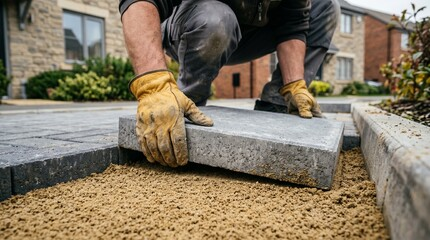
Driveway Repair

Concrete driveway repair is the process of restoring damaged sections of a driveway so they remain safe, functional, and visually appealing. Instead of replacing the entire driveway, repairs focus on correcting specific problems such as cracks, surface deterioration, minor settlement, chips, or uneven sections. The objective is to improve the condition of the existing concrete while extending its useful lifespan. Repair methods vary depending on the type and severity of the damage, but every successful project begins with identifying what caused the problem in the first place. Addressing the source of the damage helps produce longer-lasting results.

Concrete driveway repair can involve a variety of techniques depending on the condition of the surface. Some repairs restore small cracks before they expand, while others correct uneven slabs that create safety concerns. Surface restoration may also improve areas affected by wear, moisture, or age without requiring a complete replacement. By preserving as much of the original concrete as possible, repairs often provide an efficient way to restore both appearance and performance. Early attention helps prevent more extensive deterioration over time.

What Causes Damage to Concrete Driveways?

Daily vehicle traffic places repeated stress on a concrete driveway. Passenger vehicles, delivery trucks, and recreational vehicles all apply weight that gradually affects the concrete over many years. Although properly installed driveways are designed to withstand normal use, repeated loading combined with natural aging can eventually contribute to surface wear and cracking. Heavier vehicles may accelerate this process by increasing pressure on the slab. Understanding how traffic affects concrete helps explain why maintenance is important throughout its lifespan.

Environmental conditions also play a major role in driveway deterioration. Rain, moisture, prolonged sunlight, changing temperatures, and natural soil movement all influence how concrete performs over time. Water that enters small cracks may gradually weaken the surrounding material, while shifting soil beneath the driveway can lead to settlement or uneven sections. Poor drainage may further contribute to damage by allowing excess moisture to collect beneath the slab. These natural conditions often work together to create visible signs of wear.

What Are the Signs That a Concrete Driveway Needs Repair?

Cracks are among the most common warning signs that a driveway requires attention. Small hairline cracks may appear harmless initially, but they often allow moisture to penetrate deeper into the concrete, increasing the likelihood of further deterioration. Larger cracks or cracks that continue expanding may indicate movement beneath the driveway or ongoing structural stress. Monitoring these changes helps homeowners recognize when repairs should be considered. Addressing cracks early often helps preserve the surrounding concrete.

Uneven surfaces provide another indication that repairs may be necessary. Sections of the driveway that have settled, shifted, or lifted can create tripping hazards while affecting vehicle access and drainage. Surface flaking, chipping, discoloration, and worn finishes may also signal that the concrete has begun to deteriorate. While these issues sometimes appear cosmetic, they often progress if left untreated. Early repairs help restore both safety and appearance before the damage becomes more extensive.

Why Is Timely Concrete Driveway Repair Important?

Repairing driveway damage as soon as it is discovered helps prevent small issues from becoming much larger structural problems. Minor cracks can gradually widen as moisture enters the concrete and natural movement continues beneath the slab. Surface deterioration may spread into surrounding areas, increasing the amount of repair work required later. By responding early, homeowners often reduce both repair costs and the likelihood of needing complete driveway replacement. Preventive maintenance provides valuable long-term savings.

Timely repairs also improve safety for everyone using the driveway. Uneven concrete and damaged surfaces increase the risk of trips, slips, and vehicle-related issues during everyday use. Restoring the driveway creates a smoother, more stable surface that supports both pedestrians and vehicles. A properly maintained driveway also enhances the property’s overall appearance while creating a more welcoming entrance. Small repairs often deliver significant long-term benefits.

How Does the Concrete Driveway Repair Process Work?

Every repair project begins with a detailed inspection of the driveway. The condition of the concrete is carefully evaluated to determine the extent of the damage and identify the factors that caused it. Inspecting cracks, settlement, drainage, soil conditions, and surrounding surfaces helps guide the repair strategy. Understanding the root cause ensures that repairs address the underlying issue rather than simply improving the surface appearance. A thorough assessment creates the foundation for a successful repair.

After the inspection, damaged areas are prepared before repair materials are applied. Loose concrete, dirt, and debris are removed to create a clean surface that supports proper adhesion. Depending on the condition of the driveway, repairs may include restoring cracks, leveling uneven sections, resurfacing worn areas, or reinforcing weakened portions of the concrete. Once the repair work is complete, sufficient curing time allows the restored areas to develop the strength needed for everyday use. Careful workmanship contributes to lasting performance.

How Can Homeowners Extend the Life of Their Concrete Driveway?

Routine maintenance is one of the most effective ways to preserve a concrete driveway after repairs have been completed. Keeping the surface clean helps remove dirt, leaves, chemicals, and debris that may contribute to long-term wear. Promptly removing standing water also reduces unnecessary moisture exposure that can gradually affect the concrete. Regular cleaning allows homeowners to monitor the condition of the driveway while preventing minor issues from going unnoticed. Consistent care supports greater durability.

Homeowners should also inspect the driveway periodically for new cracks, drainage problems, or signs of settlement. Addressing small concerns quickly often prevents them from developing into more costly structural repairs. Maintaining proper drainage around the driveway helps protect the supporting soil beneath the concrete, reducing the likelihood of future movement. Preventive maintenance works together with quality repairs to maximize the lifespan of the driveway. Ongoing attention protects the original investment.

How Does Concrete Driveway Repair Improve Property Value?

A well-maintained driveway contributes significantly to a property’s overall appearance. Because the driveway is one of the first features visible from the street, its condition plays an important role in creating a positive first impression. Smooth, clean, and properly repaired concrete enhances curb appeal while demonstrating that the property has been cared for responsibly. This attention to maintenance often increases confidence among prospective buyers. Exterior improvements frequently influence the perceived value of a home.

Driveway repairs also support future property improvements. Landscaping projects, outdoor lighting, walkways, and exterior renovations all complement a driveway that remains structurally sound and visually attractive. Investing in repairs today helps preserve the appearance and functionality of surrounding features for years to come. A durable driveway serves as an important part of the property’s overall design and usability. Long-term value begins with consistent maintenance and timely repairs.

Final Thoughts

Concrete driveway repair is an essential part of maintaining a safe, functional, and attractive property. By addressing cracks, uneven surfaces, settlement, and other signs of wear early, homeowners can extend the lifespan of their driveway while avoiding more extensive and costly repairs in the future. Understanding what causes driveway damage, recognizing the warning signs, and performing routine maintenance all contribute to better long-term performance. Whether correcting minor surface imperfections or restoring larger damaged sections, timely concrete driveway repair helps preserve curb appeal, improve safety, and protect one of the most frequently used features of the home. Investing in repairs today helps ensure a stronger and more durable driveway for many years to come.


The Silent Architects Above: Redefining the Role of the Modern Roofing Contractor

Every strong home begins with a trusted roof. Behind that structure stands a roofing contractor whose precision and craftsmanship protect everything beneath. Their work may go unnoticed by those passing below, but every nail and panel they place tells a story of resilience, skill, and trust. In the evolving world of construction, their role has become more vital than ever.

roofing

Roofing Contractor does more than install materials—they shape safety. Each decision, from the choice of roofing type to the installation technique, determines the long-term stability of a building. They balance artistry and engineering, understanding that even the smallest misalignment can lead to major consequences. Their precision becomes a silent guardian against time and weather.

Modern homeowners no longer seek only protection; they seek efficiency and design harmony. Roofing contractors have adapted to these demands by blending advanced technologies with timeless craftsmanship. They now assess insulation, sustainability, and style all in one project. The roof is no longer just a shield—it’s a statement of purpose and identity.

The evolution of roofing has reshaped how contractors approach their craft. Gone are the days of one-size-fits-all solutions. Each home requires a unique approach that considers slope, structure, and environmental exposure. Contractors now integrate technical analysis, modern materials, and sustainability into every design.

Precision begins with inspection. Before installation, contractors evaluate every element of the existing structure to ensure compatibility. They examine drainage, ventilation, and foundation strength before a single tool touches the surface. This initial phase forms the blueprint of a long-lasting system built for performance.

The tools of the trade have evolved too. Contractors now rely on digital measurements, infrared scans, and aerial imaging to plan their work. These innovations allow for faster, safer, and more accurate assessments. By combining modern technology with traditional know-how, they achieve results that surpass expectations.

Safety remains the foundation of their profession. Working at heights requires more than courage—it demands discipline and adherence to strict standards. Harnesses, scaffolds, and protective gear form part of their daily routine. Every project reminds them that precision is not just about results but about returning home safely at the end of each day.

The relationship between contractor and homeowner defines the project’s success. Trust grows from transparency, clear communication, and reliability. Homeowners depend on contractors to interpret their needs into tangible solutions that last decades. When expectations align, both sides share pride in the finished work.

Roofing contractors are not just technicians—they are advisors. They guide clients through material choices, cost considerations, and design options. Their experience helps prevent costly mistakes and ensures every decision aligns with the homeowner’s goals. In this way, they act as both craftsman and consultant, bridging vision with execution.

Sustainability has reshaped the roofing industry’s philosophy. Contractors now prioritize eco-friendly materials and energy-efficient systems that reduce waste and promote longevity. They understand that modern roofing is about stewardship, not just structure. This awareness drives innovation and redefines what it means to build responsibly.

A skilled roofing contractor knows that weather is both an adversary and a teacher. They learn how materials respond to heat, cold, moisture, and wind. This knowledge allows them to select the right techniques for each environment. Their expertise transforms unpredictability into reliability, ensuring that homes remain secure year after year.

Experience remains their most valuable tool. Every completed roof teaches lessons that no manual can replace. Contractors develop intuition—the ability to sense weaknesses, predict issues, and find solutions before problems appear. This intuition, honed over years of practice, separates professionals from beginners.

Maintenance and repair also form part of their expertise. Even the strongest roofs require occasional attention to preserve integrity. Contractors offer inspections, sealing, and restoration to extend lifespan and prevent damage. This ongoing service builds loyalty, transforming one-time projects into lifelong partnerships.

Roofing contractors also serve as innovators. They constantly test new materials and methods to improve efficiency and reduce costs. From reflective coatings to interlocking panels, innovation fuels their competitiveness and adaptability. Their willingness to evolve keeps them relevant in an ever-changing industry.

The artistry of roofing often goes unnoticed, yet it defines the home’s character. Contractors shape lines, symmetry, and proportions that harmonize with architecture. A well-installed roof blends seamlessly with the structure, complementing its form rather than competing with it. This visual balance enhances curb appeal and architectural value.

Challenges often test their resolve. Weather delays, structural surprises, and supply issues can disrupt even the best-planned projects. Yet, true professionals navigate these setbacks with patience and precision. Their resilience ensures that the final result meets expectations, regardless of obstacles.

The bond between teamwork and craftsmanship drives every successful project. Roofing contractors coordinate with engineers, designers, and builders to achieve unified results. Collaboration ensures that every aspect—from gutter placement to slope design—aligns perfectly. It’s a symphony of precision guided by shared expertise.

Customer satisfaction remains the final measure of success. Beyond the structure, contractors focus on the client’s peace of mind. They value feedback, follow-up, and genuine connection long after the last shingle is laid. This commitment transforms transactions into trust and projects into partnerships.

Education plays a central role in the life of a roofing contractor. Training programs, certifications, and continuous learning ensure they stay ahead of evolving standards. The industry rewards those who invest in knowledge and adapt quickly to change. Each new technique or tool mastered strengthens their professional identity.

Durability defines their promise. Contractors know that a roof’s performance speaks louder than any advertisement. Every completed project becomes a lasting reference, quietly proving their skill through decades of reliability. This legacy of craftsmanship ensures that their reputation grows stronger with time.

The craftsmanship extends beyond function—it influences comfort and energy use. Proper ventilation and insulation integrated during installation help regulate indoor temperature. These subtle details create healthier, more efficient living environments. The roofing contractor’s expertise directly improves the quality of life inside the home.

Technology has opened new possibilities for precision and productivity. Drones, digital estimations, and project management software make planning faster and more transparent. These tools reduce errors while enhancing efficiency and client confidence. Technology doesn’t replace skill—it amplifies it.

In commercial projects, roofing contractors face even greater demands. Large-scale installations require logistical mastery, coordination, and strict compliance with building codes. They must balance speed with safety, ensuring structural soundness on every level. The complexity of such projects highlights their professionalism and leadership.

Integrity remains the unseen foundation of their success. Contractors who prioritize honesty and accountability build reputations that outlast trends. Transparency in pricing, materials, and timelines sets them apart in a competitive field. Clients remember fairness as much as they remember craftsmanship.

The value of a roofing contractor also lies in adaptability. Markets shift, materials evolve, and environmental expectations grow stricter. Professionals who embrace these changes remain future-ready, capable of meeting both modern and traditional demands. Their flexibility keeps them indispensable in every construction era.

Quality assurance is not an afterthought—it is a process. Contractors conduct rigorous checks at every stage, ensuring consistency and performance. This discipline prevents premature wear and ensures that each roof meets exacting standards. Perfection may be unreachable, but excellence is non-negotiable.

Even as automation enters the field, the human element remains irreplaceable. Machines can lift, measure, and assist, but judgment and creativity belong to the contractor alone. Their ability to interpret conditions and solve problems in real-time defines their value. The hands behind the tools still shape the future above us.

Trust is built one project at a time. Word of mouth and referrals remain their strongest advertisement. Each satisfied client becomes an advocate, spreading the reputation of reliability and skill. This organic growth sustains their business far better than flashy promotions.

Weather resilience has become a focus of modern roofing projects. Contractors study local climate behavior to select the right materials and installation techniques. Their foresight ensures long-term protection, even in unpredictable conditions. In this way, science meets craftsmanship to create roofs that endure.

Many contractors now merge craftsmanship with sustainability. They explore green roofing systems, solar integration, and recycled materials. These innovations reduce environmental impact while improving performance and efficiency. The modern roofing contractor is as much an environmental designer as a builder.

Behind every great project lies a contractor’s dedication to perfection. Long hours, detailed planning, and on-site problem solving define their daily rhythm. Their motivation extends beyond payment—it’s about pride in leaving behind something lasting. That pride becomes the invisible signature of every roof they build.

The essence of roofing lies in silent protection. Every drop of rain that rolls away and every gust of wind deflected is proof of their skill. Contractors create security without spectacle, giving homeowners confidence without constant thought. Their craft lives in the quiet comfort of those they protect.

As urban landscapes expand, the demand for expert roofing contractors grows stronger. They bridge the gap between innovation and necessity, adapting structures to meet modern living standards. Their contribution may not always be visible, but its impact defines entire skylines. The world above us stands because of their unseen commitment.

The legacy of a roofing contractor endures through generations. Each roof tells a story of precision, perseverance, and passion. The homes they protect become part of their life’s work, standing firm through storms and seasons. In the end, their greatest accomplishment isn’t just construction—it’s preservation.

A roofing contractor’s craft is both science and soul. They build more than shelters; they create sanctuaries that embody safety and care. Their expertise transforms raw materials into lasting symbols of stability. In every home they protect, their legacy quietly echoes through time.

The Evolving Future of Payments in a Connected World

Money has always been about trust and exchange. Payments, at their core, represent the movement of value between people, businesses, and systems. But the way we make payments is evolving faster than ever before. What was once a simple hand-to-hand transaction has now become a complex digital experience that touches almost every aspect of daily life.

payments

Today, payments are more than just a means to settle a purchase. They are the foundation of economic activity, the bridge between innovation and consumer behavior. From tiny microtransactions to large-scale financial transfers, the process has become seamless, instant, and often invisible. The evolution of payments reflects the broader changes in how society interacts, consumes, and communicates. Visit https://moneywars.com/payments/ to learn more.

The first major shift came with the rise of electronic payment systems. People no longer needed physical cash to complete transactions. Convenience and speed became the driving forces behind consumer choices. This shift also expanded access, enabling individuals and businesses to transact beyond geographical boundaries with just a few taps.

But convenience brought new challenges. Security, privacy, and fraud prevention became critical concerns as more money moved digitally. As technology advanced, so did the methods used by malicious actors to exploit vulnerabilities. This pushed payment systems to develop stronger encryption, authentication, and real-time monitoring tools to protect users.

One of the most significant developments in the payment landscape is the integration of technology into everyday life. Devices once used for communication now function as digital wallets and financial tools. Consumers can complete transactions within seconds without ever touching cash or cards. This blending of technology and finance has blurred the line between spending and interaction.

At the same time, businesses have had to rethink how they accept and process payments. They are no longer competing only on price or product quality but also on transaction experience. A smooth, frictionless payment process can determine whether a customer completes a purchase or abandons it. This shift has made payments an essential part of customer experience strategy.

Another fascinating trend is the rise of personalized payment solutions. Algorithms now analyze spending behavior and financial habits to suggest payment options tailored to individual preferences. These systems can recommend installment plans, loyalty-based offers, or alternative methods depending on a user’s profile. Personalization has transformed payments from a simple transaction into a dynamic financial interaction.

The concept of instant payments has also reshaped expectations. People no longer tolerate delays in accessing or sending funds. Real-time processing has become the new standard, especially for peer-to-peer transfers and gig economy payouts. This shift not only enhances convenience but also impacts how businesses manage cash flow and plan operations.

However, with increased speed comes increased responsibility. Instant transactions leave little room for error, and reversing mistakes can be complex. This reality has driven innovation in fraud detection systems and verification layers. The challenge is finding the balance between security and user experience without adding friction.

Payments are also becoming more inclusive. Traditional banking systems often left certain groups underserved or excluded. Digital payment platforms have helped bridge that gap by lowering barriers to entry and offering accessible financial tools. This democratization of finance is unlocking opportunities for entrepreneurship, trade, and economic participation in previously overlooked communities.

Beyond individual transactions, the role of payments in global trade and commerce is expanding. Businesses now operate in interconnected ecosystems where cross-border payments must be fast, affordable, and transparent. Innovations in foreign exchange automation and multi-currency systems are making global commerce more efficient. They are transforming the way value moves across borders, supporting the growth of digital marketplaces.

The emergence of new technologies is setting the stage for even more radical changes. Distributed ledgers, biometric authentication, and artificial intelligence are redefining payment architecture. These tools promise greater transparency, faster processing, and enhanced personalization. They also challenge traditional financial institutions to adapt or risk becoming obsolete.

Biometric verification, for example, is rapidly gaining traction as a preferred method of payment authentication. It removes the need for passwords or physical cards and adds a powerful layer of security. Fingerprints, facial recognition, and even behavioral patterns are being used to authorize transactions. This trend points toward a future where identity and payment are seamlessly linked.

Artificial intelligence is playing a transformative role as well. It analyzes massive amounts of data to detect suspicious activity, prevent fraud, and improve user experience. AI-powered payment systems can anticipate user needs and streamline processes before a customer even initiates a transaction. This predictive capability represents a new frontier in how we think about financial interactions.

Another crucial area of development is payment interoperability. In the past, different systems often struggled to communicate with one another, creating inefficiencies. Now, the push toward universal standards is enabling seamless transactions across platforms, devices, and jurisdictions. This connectivity enhances convenience and strengthens trust in the global financial network.

The concept of invisible payments is also rising in prominence. These are transactions that occur automatically without active input from the user. Subscriptions, recurring payments, and even in-store purchases can be completed without physical interaction. This model saves time but also raises questions about consent, control, and consumer awareness.

While innovation is driving growth, regulatory frameworks are playing a critical role in shaping the payment landscape. Governments and financial authorities are implementing rules to protect consumers and ensure fair competition. These regulations aim to balance innovation with accountability, ensuring that new technologies operate within ethical and legal boundaries.

Sustainability is another emerging focus in the world of payments. Companies are exploring ways to reduce the environmental impact of payment infrastructure. Paperless billing, eco-friendly cards, and digital receipts are becoming standard practices. As consumer awareness grows, environmentally conscious payment solutions are likely to become a key differentiator.

The social dimension of payments is also evolving. Peer-to-peer platforms are turning transactions into social experiences, where splitting bills or sending gifts is as much about connection as it is about money. Payments are becoming embedded in messaging apps, social networks, and online communities. This integration reflects a deeper shift in how people perceive financial interactions.

Education and digital literacy are essential for navigating this rapidly changing environment. As payment systems become more complex, users must understand how to manage security, privacy, and financial health. Educational initiatives are helping people make informed decisions, reducing risks and empowering them to take control of their financial lives.

Looking ahead, the future of payments is likely to be defined by convergence. Technologies, industries, and ecosystems are merging to create unified experiences. Payments will become increasingly contextual, embedded in daily routines, and tailored to individual preferences. The challenge for innovators will be to design systems that are fast, secure, inclusive, and intuitive.

Yet amid all the transformation, the essence of payments remains unchanged. It is still about trust, value, and connection. Whether exchanged through a handshake, a card swipe, or a digital signature, payments represent relationships and responsibilities. They are the invisible threads that tie together economies, businesses, and individuals.

As we move further into a connected digital era, the importance of payments will only grow. They will continue to shape how we live, work, and interact. Their evolution will mirror broader shifts in society, technology, and human behavior. And as they become more intelligent, invisible, and inclusive, payments will transform from simple transactions into integral elements of modern life.

The journey of payments is far from over. It is an ongoing story of innovation, adaptation, and opportunity. The next decade will likely bring advancements we cannot yet imagine, powered by collaboration between technology, finance, and human creativity. And through it all, the fundamental goal will remain the same: to make the exchange of value as effortless, secure, and meaningful as possible.

Ultimately, the future of payments is about more than money. It is about creating systems that reflect the way we live and the values we hold. It is about building trust in a digital-first world. And it is about ensuring that the movement of value remains a powerful force for connection, growth, and progress in every corner of society.

Navigation