Water can enter your home without warning, but when flooding occurs, the damage can be immediate and overwhelming. Floors become saturated, walls absorb moisture, and personal belongings may be at risk within minutes. In these situations, Water Damage Restoration Salt Lake City and flood clean up are essential processes that help bring your home back to a safe and livable condition. Acting quickly and understanding what needs to be done can make a major difference in minimizing damage and protecting your space.
What Is Water Damage Restoration and Flood Clean Up
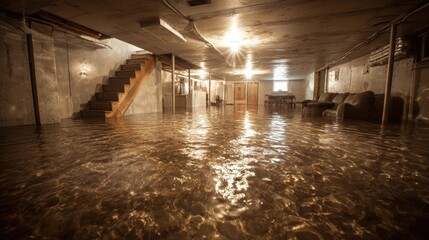
Water damage restoration and flood clean up refer to the process of removing water, drying affected areas, cleaning contaminants, and restoring damaged materials. While restoration focuses on repairing and rebuilding, flood clean up emphasizes immediate response and removal of excess water.
Flood water often contains debris, bacteria, and other harmful elements, which makes proper cleaning and sanitation critical. The goal is not just to remove water but to ensure the environment is safe and free from long term risks.
This combined process addresses both the visible and hidden effects of water intrusion, helping restore comfort and functionality.
Common Causes of Flooding in Homes
Flooding can happen due to several reasons, and understanding these causes can help you prepare and respond more effectively. Heavy rainfall is one of the most common triggers, especially when drainage systems are overwhelmed.
Burst pipes can also lead to sudden indoor flooding. When a pipe breaks, large amounts of water can spread quickly throughout a space. Appliance failures such as washing machines or water heaters can create similar situations.
Blocked drains and poor water flow around the property can cause water to accumulate and enter living areas. Even small drainage issues can lead to significant problems over time.
Recognizing these causes allows you to take preventive steps and reduce the risk of severe damage.
Immediate Steps After a Flood
When flooding occurs, quick action is essential. The first priority is safety. Ensure that electrical systems are not exposed to water before entering affected areas.
Stopping the source of water is the next critical step. Whether it is a broken pipe or external flooding, addressing the source helps prevent further damage.
Removing standing water should begin as soon as possible. The faster water is extracted, the less chance it has to soak into materials and cause long term issues.
Ventilation is also important. Opening windows and allowing air to circulate can help start the drying process. These initial steps set the stage for effective restoration.
The Flood Clean Up Process
Flood clean up involves several stages that work together to restore the affected area. Water extraction is the first step, where standing water is removed using specialized equipment.
After extraction, the focus shifts to drying and dehumidification. Moisture can remain trapped in walls, floors, and furniture, so thorough drying is essential to prevent mold growth.
Cleaning and sanitizing follow. Flood water often carries contaminants, so disinfecting surfaces helps eliminate bacteria and odors. This step is crucial for maintaining a safe environment.
Debris removal is also part of the process. Damaged materials and items that cannot be restored are removed to prepare the space for repairs.
The Restoration Phase Explained
Once clean up is complete, the restoration phase begins. This involves repairing or replacing damaged materials such as drywall, flooring, and insulation.
Structural components are inspected to ensure they remain stable and safe. Any compromised areas are reinforced or rebuilt as needed.
Finishing touches such as painting and refinishing surfaces help restore the appearance of the space. The goal is to return the area to its original condition or better.
This phase requires careful attention to detail to ensure long lasting results.
Signs of Hidden Water Damage After Flooding
Even after visible water is removed, hidden damage can remain. One of the most common signs is a musty odor, which often indicates trapped moisture.
Discoloration on walls or ceilings may appear days or weeks after the flood. This suggests that water has seeped into materials.
Warped flooring or bubbling paint can also signal underlying issues. These changes occur when moisture affects the structure of materials.
Increased humidity levels inside the home may point to unresolved moisture problems. Identifying these signs early helps prevent further damage.
Why Fast Restoration Matters
Time is a critical factor in water damage restoration and flood clean up. The longer water remains, the more damage it can cause to structural materials and personal belongings.
Mold growth can begin quickly in damp conditions. Once it develops, it can spread and create additional health concerns. Acting fast helps reduce this risk.
Quick restoration also minimizes repair costs. Addressing damage early often prevents the need for more extensive and expensive repairs later.
Prompt action helps preserve the integrity of your home and ensures a safer environment.
Preventing Future Flood Damage
While not all flooding can be avoided, there are steps you can take to reduce the risk. Regular maintenance of plumbing systems can help identify potential issues before they become serious.
Improving drainage around your home is also important. Ensuring that water flows away from the structure helps protect the foundation and interior spaces.
Installing proper barriers or sealing entry points can reduce the chances of water entering during heavy rain. Keeping gutters and downspouts clear also supports effective water management.
Monitoring appliances and replacing worn components can prevent unexpected failures. These preventive measures help safeguard your home.
Conclusion
Water damage restoration and flood clean up are essential processes that help restore safety, comfort, and functionality after flooding. By understanding how these processes work and taking immediate action, you can significantly reduce the impact of water damage.
From initial water removal to complete restoration, each step plays a role in bringing your home back to its original condition. Being prepared and proactive can make a challenging situation more manageable.
A well restored space not only looks better but also provides peace of mind. Taking the right steps ensures that your home remains a safe and healthy environment for the future.