Author: Keisha Dean

Water Damage Restoration and Flood Clean Up Guide for Fast and Effective Recovery

Water can enter your home without warning, but when flooding occurs, the damage can be immediate and overwhelming. Floors become saturated, walls absorb moisture, and personal belongings may be at risk within minutes. In these situations, Water Damage Restoration Salt Lake City and flood clean up are essential processes that help bring your home back to a safe and livable condition. Acting quickly and understanding what needs to be done can make a major difference in minimizing damage and protecting your space.

What Is Water Damage Restoration and Flood Clean Up
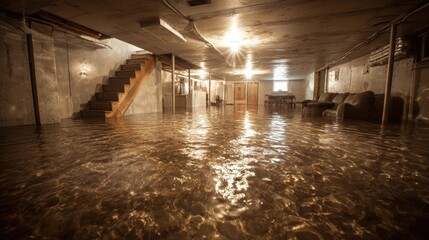
Water Damage Restoration

Water damage restoration and flood clean up refer to the process of removing water, drying affected areas, cleaning contaminants, and restoring damaged materials. While restoration focuses on repairing and rebuilding, flood clean up emphasizes immediate response and removal of excess water.

Flood water often contains debris, bacteria, and other harmful elements, which makes proper cleaning and sanitation critical. The goal is not just to remove water but to ensure the environment is safe and free from long term risks.

This combined process addresses both the visible and hidden effects of water intrusion, helping restore comfort and functionality.

Common Causes of Flooding in Homes

Flooding can happen due to several reasons, and understanding these causes can help you prepare and respond more effectively. Heavy rainfall is one of the most common triggers, especially when drainage systems are overwhelmed.

Burst pipes can also lead to sudden indoor flooding. When a pipe breaks, large amounts of water can spread quickly throughout a space. Appliance failures such as washing machines or water heaters can create similar situations.

Blocked drains and poor water flow around the property can cause water to accumulate and enter living areas. Even small drainage issues can lead to significant problems over time.

Recognizing these causes allows you to take preventive steps and reduce the risk of severe damage.

Immediate Steps After a Flood

When flooding occurs, quick action is essential. The first priority is safety. Ensure that electrical systems are not exposed to water before entering affected areas.

Stopping the source of water is the next critical step. Whether it is a broken pipe or external flooding, addressing the source helps prevent further damage.

Removing standing water should begin as soon as possible. The faster water is extracted, the less chance it has to soak into materials and cause long term issues.

Ventilation is also important. Opening windows and allowing air to circulate can help start the drying process. These initial steps set the stage for effective restoration.

The Flood Clean Up Process

Flood clean up involves several stages that work together to restore the affected area. Water extraction is the first step, where standing water is removed using specialized equipment.

After extraction, the focus shifts to drying and dehumidification. Moisture can remain trapped in walls, floors, and furniture, so thorough drying is essential to prevent mold growth.

Cleaning and sanitizing follow. Flood water often carries contaminants, so disinfecting surfaces helps eliminate bacteria and odors. This step is crucial for maintaining a safe environment.

Debris removal is also part of the process. Damaged materials and items that cannot be restored are removed to prepare the space for repairs.

The Restoration Phase Explained

Once clean up is complete, the restoration phase begins. This involves repairing or replacing damaged materials such as drywall, flooring, and insulation.

Structural components are inspected to ensure they remain stable and safe. Any compromised areas are reinforced or rebuilt as needed.

Finishing touches such as painting and refinishing surfaces help restore the appearance of the space. The goal is to return the area to its original condition or better.

This phase requires careful attention to detail to ensure long lasting results.

Signs of Hidden Water Damage After Flooding

Even after visible water is removed, hidden damage can remain. One of the most common signs is a musty odor, which often indicates trapped moisture.

Discoloration on walls or ceilings may appear days or weeks after the flood. This suggests that water has seeped into materials.

Warped flooring or bubbling paint can also signal underlying issues. These changes occur when moisture affects the structure of materials.

Increased humidity levels inside the home may point to unresolved moisture problems. Identifying these signs early helps prevent further damage.

Why Fast Restoration Matters

Time is a critical factor in water damage restoration and flood clean up. The longer water remains, the more damage it can cause to structural materials and personal belongings.

Mold growth can begin quickly in damp conditions. Once it develops, it can spread and create additional health concerns. Acting fast helps reduce this risk.

Quick restoration also minimizes repair costs. Addressing damage early often prevents the need for more extensive and expensive repairs later.

Prompt action helps preserve the integrity of your home and ensures a safer environment.

Preventing Future Flood Damage

While not all flooding can be avoided, there are steps you can take to reduce the risk. Regular maintenance of plumbing systems can help identify potential issues before they become serious.

Improving drainage around your home is also important. Ensuring that water flows away from the structure helps protect the foundation and interior spaces.

Installing proper barriers or sealing entry points can reduce the chances of water entering during heavy rain. Keeping gutters and downspouts clear also supports effective water management.

Monitoring appliances and replacing worn components can prevent unexpected failures. These preventive measures help safeguard your home.

Conclusion

Water damage restoration and flood clean up are essential processes that help restore safety, comfort, and functionality after flooding. By understanding how these processes work and taking immediate action, you can significantly reduce the impact of water damage.

From initial water removal to complete restoration, each step plays a role in bringing your home back to its original condition. Being prepared and proactive can make a challenging situation more manageable.

A well restored space not only looks better but also provides peace of mind. Taking the right steps ensures that your home remains a safe and healthy environment for the future.


Breaking Ground, Clearing Futures: The New Era of Rubbish Removal and Demolition

The way we clear space is changing faster than ever. Rubbish removal and demolition have become more than just destruction. They are now essential processes in shaping how societies grow. And they are evolving to meet the demands of a world that values efficiency, safety, and sustainability.

Rubbish Removal

In the past, demolition was purely about tearing down structures. Today, it is a careful science. Engineers and environmental experts plan every step. They think not only of the structure’s fall but of what happens after.

Modern demolition is increasingly selective. Instead of flattening entire buildings, specialists deconstruct piece by piece. This allows materials to be reused or recycled. Steel, wood, concrete, and glass can all find new life elsewhere.

This shift to deconstruction is more labor-intensive but far more sustainable. It reduces waste and minimizes environmental impact. It also preserves valuable resources that would otherwise be discarded. Every bolt and beam becomes part of a larger cycle.

Rubbish removal has undergone a similar transformation. It is no longer just about hauling debris away. The focus is now on sorting, processing, and repurposing materials. This shift turns waste into opportunity and pollution into potential.

Smart sorting technologies are revolutionizing the field. Automated systems separate metals, plastics, and organics with remarkable precision. These systems make recycling faster and more cost-effective. They also reduce the amount of waste sent to landfills.

Another innovation is the concept of resource mining from demolition sites. Instead of seeing debris as trash, specialists view it as raw material. Old concrete can be crushed into aggregate. Wood can be reclaimed for new construction or furniture.

Safety protocols have also evolved significantly. Demolition now involves advanced risk assessment tools. Drones and sensors monitor structural stability in real time. Workers are protected by robotics and remote-controlled machinery that limit human exposure to danger.

Environmental impact is at the center of modern demolition planning. Dust control measures keep air clean. Water runoff is managed to prevent contamination. Even noise is carefully regulated to reduce disturbance in surrounding areas.

One emerging approach is phased demolition, where structures are removed in controlled stages. This method allows active recycling and reduces waste generation during the process. It also makes it easier to integrate demolition with ongoing construction activities.

Urban redevelopment projects are increasingly designed with future demolition in mind. Buildings are constructed using modular components that can be disassembled rather than destroyed. This forward-thinking approach turns demolition into a predictable and resource-efficient phase of a building’s life cycle.

Digital twins are playing a vital role in planning. These virtual models simulate demolition sequences before work begins. They predict structural behavior and optimize machinery placement. This results in faster, safer, and more efficient projects.

Rubbish removal companies are also experimenting with decentralized processing hubs. Instead of transporting waste long distances, materials are processed close to the demolition site. This reduces emissions and speeds up the recycling process.

Organic waste from demolition, such as wood and vegetation, is now being turned into bioenergy. Through advanced composting and gasification processes, waste becomes a renewable energy source. This turns even the most unlikely materials into valuable assets.

Circular economy principles are reshaping how demolition and waste management operate. Every material is treated as part of a continuous loop. The line between demolition and construction begins to blur as old materials become the foundation for new structures.

Community involvement is becoming a key part of large-scale demolition projects. Local groups are consulted about reuse plans. Salvaged materials are sometimes donated for public infrastructure. Demolition becomes not just an end but a contribution to social development.

The psychological aspect of demolition is also being explored. For many, the removal of old buildings carries emotional weight. Companies are learning to manage these sensitivities through public communication and memorialization efforts. A space’s history is honored even as it is transformed.

Smart scheduling and logistics now ensure that rubbish removal is as efficient as possible. Timelines are optimized to reduce disruption. Materials are collected, processed, and delivered with minimal idle time. The result is a seamless flow from site to recycling facility.

Robotics are expanding the possibilities of precision demolition. Machines can navigate hazardous environments and dismantle delicate structures without human risk. These tools make it possible to work in confined or unstable spaces that would otherwise be inaccessible.

Another exciting development is adaptive demolition, where techniques adjust dynamically to changing conditions. Sensors feed real-time data into control systems. These systems alter strategies instantly if structural integrity shifts. The approach increases safety and reduces costly delays.

The integration of demolition data into urban planning is also on the rise. Cities use information from past projects to improve future infrastructure. Insights about material recovery, waste generation, and environmental impact guide better decision-making.

Waste-to-value strategies are expanding beyond traditional recycling. Some demolition debris is being transformed into innovative products. Crushed glass is used in road construction. Pulverized concrete becomes part of new building materials. The boundaries of what is considered “waste” are constantly expanding.

Legal and regulatory frameworks are adapting to support these changes. Many projects now require detailed waste management plans before demolition begins. These plans outline how materials will be handled, where they will go, and how much will be recycled. Accountability ensures environmental responsibility.

The connection between demolition and climate action is becoming clearer. Proper waste management significantly reduces carbon emissions. Using reclaimed materials cuts down on the energy needed for new production. Demolition, once a symbol of destruction, now plays a role in building a sustainable future.

Temporary structures are another area where demolition practices are evolving. Modular event spaces, pop-up markets, and emergency shelters are designed for easy disassembly. Their removal creates minimal waste and leaves no lasting footprint.

Water-based demolition techniques are gaining popularity in sensitive environments. High-pressure jets cut through concrete without generating dust. This reduces airborne pollutants and improves site safety. It’s another example of how technology is reshaping the industry.

The aesthetics of demolition are even being reconsidered. Controlled deconstruction can create striking visual effects, revealing layers of a building’s history. Some projects use partial demolition to integrate old structures into new designs. The result is a blend of heritage and innovation.

Micro-demolition is another growing field. Instead of targeting entire buildings, specific components are removed with surgical precision. This allows partial reuse of structures and reduces the volume of debris generated. It’s especially useful in densely built urban environments.

Education and workforce training are evolving to match the industry’s complexity. Workers learn about sustainability, hazardous material handling, and new technologies. The next generation of demolition professionals is as much about environmental science as engineering.

Public awareness campaigns are helping reshape attitudes toward rubbish removal. Communities learn about the value of recycling, the importance of responsible disposal, and the role demolition plays in sustainability. This shared understanding builds support for more ambitious projects.

Some projects now incorporate on-site recycling plants. Debris is processed directly where it’s generated. Materials can be reused in the new construction without leaving the site. This reduces transportation costs and environmental impact.

The intersection of demolition and art is producing fascinating results. Artists collaborate with demolition teams to repurpose debris into sculptures and installations. Spaces are transformed into open-air galleries before redevelopment begins. It’s a celebration of transformation rather than mere destruction.

Data analytics is optimizing everything from truck routes to material sorting. Predictive models forecast how much waste will be generated and what types. This information improves planning, reduces waste, and increases profit margins.

The concept of demolition as a service is also expanding. Companies now offer end-to-end solutions that include deconstruction, recycling, and site preparation. Clients benefit from streamlined processes and integrated sustainability strategies.

In the future, we may see buildings designed to be entirely disassembled and rebuilt elsewhere. This concept of “mobile architecture” challenges traditional ideas of permanence. Rubbish removal and demolition become part of a continuous cycle of transformation.

What was once seen as an ending is now a beginning. Rubbish removal and demolition are becoming catalysts for innovation, sustainability, and growth. They clear the way not only for new buildings but for new ideas and ways of living.

The evolution of these fields reflects a broader shift in human priorities. We no longer see waste as worthless or destruction as wasteful. Instead, we recognize the value hidden in what we throw away. And by unlocking that value, we build a future that is cleaner, smarter, and more resilient.

In this new era, clearing space is not about erasing the past. It is about making room for what comes next. It is about honoring materials, protecting the planet, and shaping cities that work in harmony with nature. And it is about understanding that even in demolition, creation is always just beginning.

Navigation