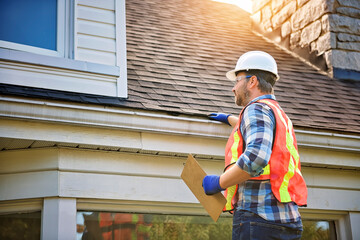
Cedar Park Roof Repair prevent minor issues from escalating into costly repairs down the road. Roofing inspectors perform visual assessments and closely examine your home’s structure, gutter system, soffits, fascia, and chimney for signs of damage.
They also look for shingle wear, and examine the metal flashing around chimneys and other roof penetrations to ensure they’re watertight.
The Inspection Process
Professional roof inspections are essential for preventing minor roofing concerns from escalating into significant and costly repairs. This is accomplished by a thorough assessment that goes far beyond a cursory glance at your shingles. A qualified and experienced roofing contractor will use a combination of visual inspection techniques, industry-leading technologies, and specialized tools to identify potential issues that would otherwise go undetected by an untrained eye.
Roofers will start with an exterior check of your gutter system, soffits, and fascia to assess for water damage, rot, or insect infestation. They will also look for signs of sagging and uneven areas of your roof as well as shingle damage, including curling or loss. In addition, they will inspect your chimney and attic ventilation to ensure adequate airflow and moisture control.
The next step is to move indoors and conduct a more detailed inspection of your attic space. This includes a close examination of the rafters, insulation, and attic vents for any signs of leaks or water penetration. If any problems are identified, the inspector will note them in their report and recommend a course of action for repair.
Throughout this phase, the contractor will be on the lookout for signs of water damage in the interior of your home as well. This includes damp spots on the ceilings and walls, as well as stains in the attic or on the walls. Leaks are one of the most common causes of indoor water damage, so it’s important that they’re identified and repaired quickly.
Finally, the contractor will evaluate the condition of your roof decking to determine its strength and overall structural integrity. They will look for any sagging, warping, or other signs of wear and tear. In addition, they will look for any exposed or rusted nails that could potentially compromise the seal of your shingles. They will also examine skylights to make sure they are sealed correctly and that their flashing is properly secured.
Depending on the condition of your roof and its accessibility, your inspector may also incorporate a technology like thermal imaging or drone capabilities into their assessment. These methods tend to be more costly than a standard inspection, but they can be useful in identifying certain issues that aren’t as obvious from ground level.
Roofing Materials
Whether the roof is made of asphalt shingles, clay tiles, slate, wood, or another material, the roofing professional needs to examine it closely for signs of damage or wear. This includes checking the roof’s surface materials, as well as any flashing or venting that is attached to the roof. In addition, the inspector will look for things like granule loss (small particles that are worn off of asphalt shingles) and the presence of water in areas where it shouldn’t be, such as in valleys or on the eaves.
Roof leaks and other problems can be expensive. By catching them early, a homeowner can save money on repair costs or even avoid the need for a roof replacement.
For homebuyers or sellers, regular roof inspections are an excellent way to identify potential issues and negotiate a lower sale price for a property. A reputable roofing contractor or inspector can provide a detailed report of the roof’s condition, including recommended repairs and maintenance, enabling homeowners to plan for needed work in advance.
An additional part of a roof inspection is looking at the gutter system, downspouts, and ventilation systems to make sure they are working correctly and not causing problems with the roof. Inspecting gutters for clogs, staining, or other damage and making sure they are directing water away from the foundation of the house is critical to extending the life of the roof.
The roof inspection should also include a careful examination of the roof structure itself, particularly any visible supports and structural members. The inspector will check for things like sagging, which is often caused by a damaged roof and can lead to leaks or other problems. In addition, he or she will check the integrity of the roof’s flashing and sealant to ensure they are in good condition.
Finally, a roofing inspection should also include examining the interior of the home for any signs of moisture or water damage that may indicate a problem with the roof. By doing this, the inspector can help the homeowner find the source of the problem and recommend the most effective repairs or solutions.
Gutters and Downspouts
Gutters and downspouts are two of the most frequently overlooked exterior components on a home, but they’re also some of the most important. These systems effectively capture roof runoff and direct it away from the foundation, preventing water damage to the structure and its surrounding areas.
Gutter systems are made up of sections that run along the roof eave line and catch rainwater as it falls, channeling it through downspouts to open ground or drainage lines. They can be customized with various accessories like decorative hoods, ground spouts, splash blocks, and more to fit your property layout and budget.
When it comes to gutters and downspouts, it’s always best to be as informed as possible. If you’re working with an unfamiliar contractor, for example, it may be beneficial to clarify whether you’ll need them to take down the entire gutter system or just the downspouts. This ensures that you’re not getting charged for services that aren’t needed or paying to repair an issue that could have been prevented if the original contractor had clarified the details of their work.
Professional roof inspectors are well-versed in all aspects of roofing and can identify potential problems or damages that might not be immediately apparent to the untrained eye. This makes them an invaluable asset for homeowners, preventing small issues from escalating into costly repairs down the road.
In addition to identifying the condition of your roof, a qualified roof inspector can provide you with helpful tips for improving and maintaining your gutters and downspouts. For instance, they can recommend a first flush diverter to help remove debris from the initial flow of rainwater, which will reduce the need for regular cleaning and prevent the buildup of harmful materials.
A good gutter and downspout system is essential for preserving the integrity of your home’s foundation, safeguarding against mold growth, and preventing water intrusion into the structure. By directing the flow of water effectively, these systems will also prevent soil erosion and landscape damage by avoiding flooding in garden beds and reducing moisture levels. This can protect the plants in your garden and prevent the growth of unwanted weeds around the house.
Attic
The attic is a space beneath the roof of a house or other building. It can be used as a small unusable space that’s insulated and ventilated or as a living area, like a bedroom or playroom. Some attics have a ladder for access, while others can be entered via a hatch or small door. The attic is an intermediary space between the roof and the ceiling of the uppermost floor of a house, and it’s crucial to home comfort, energy efficiency, and structural integrity.
Most Canadian homes have attics, and they usually feature open walls and a truss or rafters system. Rafters are triangular frames that support the roof, and they’re often built on-site. On the other hand, trusses are prefabricated and arrive at the construction site assembled.
Homeowners should perform routine maintenance on their roofs, including examining the attic and gutter system. They can also take on some roofing tasks themselves, especially if their home is no taller than two stories and they’re comfortable working from a ladder.
A qualified professional can perform more detailed inspections and repairs, and they can advise on the best course of action to address any issues that are discovered. In addition to examining the roof itself, they’ll check the insulation, ventilation, and air sealing. They’ll also look at ductwork, as well as any electrical wiring that runs through the attic.
The attic is one of the most vulnerable areas in a home, and a variety of problems can be caused by improper maintenance and design decisions. A roof leak, for example, can cause serious damage inside the home if not addressed quickly enough. Similarly, the attic’s insulation can deteriorate over time, leading to a lack of thermal resistance and a rise in energy costs.
Homeowners can prevent these problems by following some basic maintenance tips, such as avoiding storing items in the attic. This can overload joists and compress the insulation, while also creating a fire hazard. It’s also important to keep attic vents clear of obstructions, and homeowners should work in the attic during cooler parts of the day to avoid heat exhaustion. Regular attic inspections can help prevent these issues from escalating into major problems.