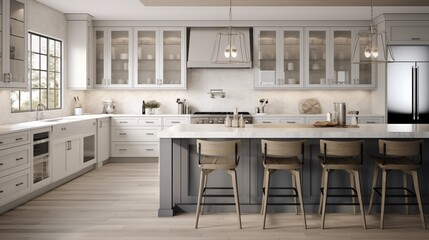
How to Turn Old Cabinets Into Statement Pieces With Refinishing

Cabinet Refinishing San Jose CA

Cabinet Refinishing San Jose CA is a cost-effective way to update your kitchen. It will transform your cabinets from builder-grade basic to a unique furniture piece that showcases your creativity.

Transform a cabinet into a stylish wardrobe by adding shelves and hooks, a coffee station with a built-in espresso machine, or a craft station with pegboards and organizers. The options are endless!

Paint

Cabinets are an integral part of a home’s interior design, and can help make a house feel more like a home. Whether you have outdated cabinets sitting in the garage or a vintage set from your childhood, refinishing them can transform them into unique furniture pieces and add a bold, eye-catching focal point to any room.

Whether you’re looking for an elegant white or modern navy, there are plenty of paint options that will breathe new life into your cabinets. When choosing a color for your cabinets, be sure to coordinate it with other elements in the room. This helps create a balanced, cohesive look that’s visually appealing and welcoming.

Before you start your project, it’s important to prepare the cabinets for painting. First, you will want to thoroughly clean them with a degreaser to eliminate grease and oil that naturally builds up on surfaces over time. Once the cabinets are clean, you will want to apply a primer to ensure the new paint will adhere well to the surface. We recommend using a quality primer, such as Extreme Bond Primer. This primer has outstanding adhesion and requires little to no sanding, making it a good option for most surfaces.

After the primer has fully dried, you’ll be ready to begin refinishing. If your cabinets were previously painted, you will need to remove the doors and hardware. This is the best way to get a clear view of what needs to be done. Make sure to mark where each item goes so you can reinstall it properly once the job is finished.

If your cabinets are in good shape, you may not need to sand down rough areas or repair damaged parts before applying a fresh coat of paint. However, if the existing finish is worn or cracked, you will need to strip it before you can proceed. There are many paint stripping products on the market that make this process easy and quick. When stripping, it’s important to follow the manufacturer’s instructions closely. Once you’ve sanded down any rough areas, cleaned them thoroughly and repaired any damages, you’ll be ready to give your cabinets a new lease on life.

Stain

Incorporating old cabinets into creative home decor is a great way to add style and personality to any room. Cabinets can be upcycled into stylish storage solutions by transforming them into pantries with shelves and organizational baskets, wardrobes by removing the doors and adding hooks or shelves for hanging clothes, shoe storage in a hallway, coffee stations by installing a built-in coffee maker with storage for mugs, craft stations by installing pegboards and organizers inside, or functional furniture pieces that reflect personal style like a bookshelf in the living room.

To create a bold statement, consider painting your cabinets a dramatic color that stands out against the existing wall and trim. While this requires more work and investment, it’s a great way to make the biggest impact with your renovation project. Depending on your taste and budget, you can opt for a glossy or matte finish. Both are popular options that give your space a sleek and modern look.

For a more subtle change, you can also stain your cabinets in a natural wood tone. Stains are pigmented and can transform your wood’s appearance, bringing out its natural grains and highlights. There are various types of stains available, including water based and oil based, so be sure to choose one that is appropriate for your project.

To prepare your cabinets for staining, start by sanding down rough areas and repairing any damaged parts of the cabinet. Once the surface is smooth, you can fill in cracks or holes with wood filler and clean thoroughly before sanding again. Then, apply a stain of your choice using the proper techniques to achieve a smooth and even result.

Lacquer

If you love the look of old cabinetry but don’t have the budget to replace them, you can give them a new lease on life with refinishing. Whether they’re in your kitchen or another room of the house, old cabinets can be transformed into stylish storage solutions, unique furniture pieces, and more. The key is to get creative and have some DIY fun. With the right tools, techniques, and creativity, you can upcycle your old cabinets into statement pieces that add personality to any space.

Cabinets can be repurposed as stylish storage solutions for the kitchen, laundry room, home office, or garage. By converting cabinets into pantries with shelves and baskets to organize utensils, installing hooks on the inside of cabinet doors to hang kitchen tools, or using them as a coffee station with a built-in coffee maker and storage for mugs, you can create a functional workstation that saves space.

Old cabinets can also be transformed into stylish wardrobes by removing doors and adding shelves or hooks to hang clothes. You can even turn a cabinet into a craft station by installing pegboards and organizers inside to keep all your crafting supplies in one place.

When upcycling old cabinets, it’s important to use quality paint and stain that will stand the test of time. High quality cabinet paint is available in a wide variety of finishes to suit your style, from glossy to matte. It’s also a good idea to choose a primer that is designed for cabinetry. For example, General Finishes produces a fast-drying lacquer primer that provides an excellent surface for painting over. It dries quickly and is easy to sand, providing a smooth finish for waterborne or oil based paints.

If you want to modernize your antique or vintage furniture, consider refinishing it with a bright or patterned lacquer. You can also use a darker stain to ground a room and make it feel more elegant or lighter to cheer up a north-facing room. Changing the color of a piece of furniture can also make it feel like a brand-new statement piece, whether you’re going bold with red lacquer or choosing something more conservative with a rich forest green.

Seal

Old cabinets that have been repurposed into creative home decor can bring a touch of personality to a space. From stylish storage solutions to unique furniture pieces, there are many ways to give a new life to these old cabinet doors.

Whether you’re looking to add a pop of color to your kitchen, or simply want to spruce up the look of your living room, the right finish can make all the difference. There are several techniques you can use to transform your cabinets, including painting, staining and lacquering. Using a combination of these finishes can help you achieve a sophisticated, timeless look that will last for years to come.

While it may seem like a daunting task, refinishing your cabinets is actually much easier than you might think. The key to successful refinishing is proper preparation. First, you will need to remove all of the cabinet doors and drawers, label them for easy reassembly later, and set up a staging area where you can work on each piece individually. Next, sand down any rough areas, repair any damaged parts, fill in cracks or holes with wood filler, clean thoroughly, and apply a fresh coat of paint or stain.

Once your new finish is dry, you can add a sealer to protect it from wear and tear over time. It’s also important to sand and re-stain your cabinets regularly to keep them in good condition. This will help the new finish last longer, and it will also help prevent scratches, dents and other damage over time.

Cabinets can be repurposed into stylish and functional storage solutions for any room in the house. You can turn them into a pantry with shelves and baskets for organizing food items, a closet to store clothes and accessories, or a craft station with pegboards and organizers to keep your supplies organized and in one place. If you have a children’s playroom, you can even use cabinet doors to create bookcases or toy storage.

For a more modern look, you can even install a chalkboard on a cabinet door to write shopping lists or recipes, which will add a fun element of functionality and style to your kitchen. Or, you can paint or decoupage a cabinet door and hang it on the wall as a decorative piece of art.


Creating Outdoor Living Spaces with Landscaping Design

Landscaping

Outdoor living spaces have become more than just a trend, they’re an extension of the home. A well-designed yard is no longer only about plants and grass; it’s about creating areas where people can gather, relax, and connect with nature. Landscaping design is the key to shaping outdoor spaces into functional, beautiful environments that enhance quality of life while adding value to a property. For more information, contact your local Landscaping Companies Honolulu HI.

This guide covers the essential principles, design ideas, and practical tips for transforming any outdoor area into a welcoming living space.

Why Outdoor Living Spaces Matter

An outdoor living space provides more than a scenic backdrop. It serves as:

  • An extension of indoor living: A deck, patio, or garden lounge offers the comfort of a living room under open skies.
  • A wellness booster: Being outdoors reduces stress, improves mood, and increases Vitamin D intake.
  • A social hub: Well-planned areas encourage family gatherings, parties, and casual hangouts.
  • A value driver: Professionally designed landscapes can increase property resale value significantly.

Core Principles of Outdoor Landscaping Design

Before diving into specific elements, it’s important to understand the foundation of good landscaping design.

1. Functionality

Every space should have a purpose—whether it’s dining, entertaining, lounging, or gardening. A functional design avoids clutter and creates zones that flow naturally.

2. Balance and Scale

Outdoor elements should feel proportionate to the home and yard. Large trees in a small courtyard overwhelm the space, while a tiny patio in a large yard feels lost.

3. Unity

Repeating plants, colors, and materials ties the design together. Too many competing styles can make the space feel disjointed.

4. Transition

Smooth pathways, gradual height changes, and consistent lighting ensure easy movement from one area to another.

5. Sustainability

Using native plants, water-efficient irrigation, and eco-friendly materials creates a space that’s both beautiful and environmentally responsible.

Key Elements of Outdoor Living Spaces

Designing an outdoor living space is like building a home outside—it needs structure, comfort, and style.

Patios and Decks

These hardscaped surfaces form the foundation of most outdoor living areas.

  • Materials: Concrete, pavers, stone, or wood, depending on budget and style.
  • Shape: Curved designs feel organic, while geometric layouts create a modern look.
  • Tips: Incorporate built-in seating or planters to save space and add character.

Outdoor Kitchens and Dining Areas

Food and socializing go hand in hand outdoors.

  • Kitchens: A simple setup with a grill, countertop, and storage works for most homes. For larger spaces, add sinks, pizza ovens, or refrigerators.
  • Dining: Position tables under pergolas or umbrellas for shade. Consider durable, weather-resistant furniture.

Fire Features

Fire pits and outdoor fireplaces extend usability into cooler seasons.

  • Fire Pits: Perfect for group seating and roasting marshmallows.
  • Fireplaces: Create a cozy focal point with a more formal feel.
  • Safety Tip: Place fire features away from flammable materials and ensure proper ventilation.

Water Features

The sound of flowing water adds calm and elegance.

  • Options: Fountains, waterfalls, ponds, or reflecting pools.
  • Tip: Choose features sized appropriately for the yard so they don’t overpower other elements.

Greenery and Planting Design

Plants are the soul of landscaping. They provide shade, privacy, color, and seasonal interest.

  • Trees: Offer structure and natural shade.
  • Shrubs: Define borders and add texture.
  • Flowers: Bring color and fragrance.
  • Lawns or Groundcovers: Provide open space for kids, pets, and relaxation.
  • Tip: Use a mix of evergreen and seasonal plants for year-round appeal.

Shade Structures

Protection from sun makes outdoor spaces more usable.

  • Pergolas: Provide partial shade while adding architectural style.
  • Gazebos: Create fully covered, intimate seating areas.
  • Retractable Awnings or Shade Sails: Flexible solutions for changing needs.

Outdoor Lighting

Lighting extends functionality into the evening and enhances safety.

  • Pathway Lights: Guide guests and reduce tripping hazards.
  • String Lights: Add ambiance and charm.
  • Spotlights: Highlight trees, sculptures, or architectural features.
  • Solar Lights: Energy-efficient and easy to install.

Paths and Walkways

Walkways tie spaces together while creating a sense of order.

  • Materials: Stone, gravel, brick, or stepping stones.
  • Design: Curved paths encourage exploration; straight paths provide direct access.

Furniture and Accessories

Comfortable, durable furniture transforms a patio into a true living room.

  • Seating: Sofas, lounge chairs, hammocks, or swings.
  • Tables: Coffee tables, side tables, and dining tables.
  • Accessories: Rugs, cushions, planters, and décor items personalize the space.

Landscaping Design Ideas for Different Spaces

Not every yard has the same size or layout. Here are ideas for different scenarios.

Small Yards

  • Use vertical gardens or wall planters to save space.
  • Choose multifunctional furniture like benches with storage.
  • Create the illusion of space with mirrors, light colors, and layered planting.

Large Yards

  • Break the yard into zones: dining, lounging, play, and gardening.
  • Add long pathways for flow and exploration.
  • Incorporate larger features like a pool, pavilion, or expansive lawn.

Urban Spaces

  • Rooftop gardens with planters and artificial turf create greenery in concrete jungles.
  • Balconies can be transformed with compact seating, container gardens, and privacy screens.
  • Noise reduction can be achieved with water features or dense plantings.

Family-Friendly Spaces

  • Include wide lawns or play areas for kids.
  • Choose non-toxic plants and smooth paving materials for safety.
  • Add features like swings, sandpits, or sports courts.

Low-Maintenance Spaces

  • Opt for native plants that thrive with minimal care.
  • Use gravel, mulch, or synthetic turf instead of traditional lawns.
  • Install drip irrigation systems for efficient watering.

Tips for Planning Your Outdoor Living Space

  1. Assess your lifestyle: Do you entertain often, or do you prefer quiet retreats?
  2. Set a budget: Decide how much to invest before starting.
  3. Sketch a layout: Map out seating, pathways, and focal points.
  4. Think seasonally: Plan for year-round use with shade for summer and fire features for cooler months.
  5. Invest in quality: Outdoor furniture and materials should be durable and weather-resistant.
  6. Blend indoors and outdoors: Use similar colors or flooring styles to create a seamless transition.
  7. Leave room for flexibility: Design spaces that can evolve with changing needs.

The Benefits of Professional Landscaping Design

While DIY is an option, working with a professional designer has clear advantages:

  • Expertise in plant selection: Choosing the right species for climate and soil.
  • Knowledge of materials: Matching durability with design style.
  • Creative problem-solving: Making the most of awkward layouts or small spaces.
  • Project management: Coordinating contractors, timelines, and budgets.

Even a consultation can help homeowners avoid costly mistakes and maximize the potential of their outdoor space.

Final Thoughts

Outdoor living spaces are about more than décor—they’re about lifestyle. A well-planned yard offers comfort, beauty, and functionality, allowing people to enjoy the outdoors in ways that fit their needs. From patios and fire pits to lush gardens and shaded retreats, landscaping design turns empty yards into vibrant extensions of the home.

With careful planning and thoughtful design choices, any outdoor area—large or small—can become a place for relaxation, connection, and lasting memories.

Gutter Installation Tips

Gutters are essential for directing water away from your roof and foundation, protecting your home from potential damage. However, a properly installed gutter system requires careful planning and attention to detail.

Gutter Installation

Hiring professionals ensures your gutter installation is done correctly, eliminating potential issues like water pooling or leakage. Licensed and insured contractors adhere to local codes and regulations, as well as insurance that protects you in the event of an accident or property damage during the installation process.

A gutter is a pipe or trough along the edge of a roof that carries water away from a home, preventing foundation damage and basement flooding. Gutter installation requires a ladder to access the roofline, and ladder safety is crucial during this process. To prevent falls and serious injury, it’s important to select a sturdy ladder that is tall enough for the job and to inspect it before climbing.

Start by examining the ladder for defects and checking its weight rating. Once the ladder is safe to climb, place it on level ground and secure it with a rope or cord. Check the locks, screws, and rungs to ensure they are secure and ready to use. Next, check the slope of the gutters to determine how much effort will be needed to reach the roofline. This will help when it comes time to install downspouts.

The next step is to mark the gutter slope with a pencil and to cut circular holes at the lowest points of the gutter slope. A hole saw or similar tool can then be used to cut the downspout outlets in the bottom of each gutter section. The downspout outlets should be located at least 6 feet away from the home’s foundation to properly direct water and prevent flooding and erosion. Once the downspouts are installed, a quality gutter sealant should be applied to all joints, seams, and connections. It’s also a good idea to test the gutter system by running water through it.

Clean gutters channel water away from the foundation, protecting the roof, siding, and landscaping. They also prevent leaks, structural damage, and basement flooding. To maintain their effectiveness, they need to be regularly cleaned and inspected. When a homeowner is inspecting gutters on their own, however, ladder safety is essential to prevent accidents and injuries. Ladder safety tips include choosing a ladder that is tall enough, checking its condition, using a spotter, wearing protective gear, and practicing balance. The use of a gutter ladder protector is also recommended to prevent ladder damage and reduce the risk of lateral slide during inspections.

Safety First

Gutters are not only a vital part of your home’s drainage system; they also protect your property from structural damage. Proper installation ensures that rainwater reaches the soil, away from your home’s foundation and walls. A gutter system that works effectively depends on a number of factors, including the material, style, and layout of your roofline. It also requires precision and careful planning for the correct slope of your gutters, which is critical to prevent clogs and water pooling.

Gutter installation is a labor-intensive and hazardous task that requires careful consideration of personal safety. It is recommended to hire a professional for this project. This is not only because it saves time and effort, but also because of the inherent risks of working at heights. If you choose to perform the project yourself, it is important to adhere to ladder use protocols and follow the “belt buckle rule,” which involves keeping your center of gravity within the ladder’s side rails and repositioning your body as needed rather than overreaching. The use of ladder stabilizers and standoffs is recommended to reduce the risk of falls and injuries.

Other crucial safety concerns include the proper selection and maintenance of equipment and tools. Choosing the right guttering materials, such as aluminum, copper, and vinyl is critical for optimal durability and function. Using a tape measure and a level to ensure precise measurements decreases the likelihood of miscalculations during the gutter installation process, preventing common errors such as gutters that are too short or misaligned.

In addition to measuring the roofline, accurate downspout placement is crucial for effective gutter installation. Downspout outlets must correspond with the lowest points of the gutter slope to properly direct water flow and avoid overflow during heavy rain. In addition, the use of a gutter end cap crimper helps seal the ends of gutter sections to prevent leaks and ensures a tight fit.

The use of proper PPE is essential for safe gutter installation, including durable gloves to protect against cuts from metal edges and safety goggles to shield the eyes from flying debris. A buddy system is also helpful for maintaining safety while working at heights, as it provides assistance with stabilizing the ladder and passing tools. Regular cleaning of your gutters and downspouts is also critical to preventing clogs and keeping them functioning efficiently.

Long-Term Benefits

Gutters protect your home from costly water damage. When they’re installed properly, they channel rainwater away from the foundation of your home, protecting your basement and preventing cracks in the walls and foundation. In addition, gutters protect the exterior of your home by avoiding paint and siding damage caused by excessive moisture. A well-functioning gutter system will help to keep your house looking pristine and increase its curb appeal for years to come.

A professional installer understands how to integrate the system with your unique home architecture, ensuring that every part of the gutter works together for maximum effectiveness. This customized approach helps to safeguard your property from the elements, even with the varied weather conditions found in Springfield.

When selecting a contractor for gutter installation, be sure to find one with a solid reputation. Ask friends and neighbors for recommendations, and check online reviews and testimonials. Look for a company with consistent positive feedback and excellent customer service. Additionally, consider the level of experience and training that a contractor has. Licensed and insured contractors are more likely to comply with local codes and regulations, which ensures the safety of their workers and your home.

If you hire a professional gutter installation service, make sure that they provide you with a detailed estimate before beginning work. This will help to avoid surprise fees and allow you to accurately compare prices between contractors. A reputable contractor will be transparent and open about their pricing, showing integrity and trustworthiness.

Once the gutters are installed, it’s important to test them by directing water down the gutters. This will help to identify any areas where water lingers, as well as any leaks or misalignment. A reputable company will take care of these issues right away, ensuring that your gutters are functioning properly and protecting your home from water damage.

In addition to providing professional gutter installation services, a top-notch contractor will also offer maintenance, cleaning, and repair services. This will help to ensure that your gutters are always in good condition and able to handle the heavy rains of Springfield’s notoriously stormy climate.

Aesthetics

Beyond safeguarding a structure from water damage, gutters play an important role in establishing its overall aesthetic narrative. By thoughtfully considering design elements, materials, and customization, homeowners can transform their gutters into integral components of their homes’ architectural compositions.

Gutter colors play a critical role in establishing a harmonious visual identity. By selecting a color that blends with other exterior features, homeowners can establish a seamless transition between the gutter system and their home’s architectural trim and fascia boards. In addition, choosing a color that reflects the natural landscape of the home’s surroundings can further enhance its aesthetic.

The shape and profile of the gutter also plays a significant role in its appearance. Gutter profiles such as half-round and K-style gutters can accentuate a wide range of architectural styles, from modern minimalism to classic Victorian. While they offer unique aesthetic appeal, these options are not ideal for all climates. In areas that experience frequent rainfall or snowfall, a more robust gutter solution is required for optimal performance.

Choosing the right gutter material is another key consideration. Copper gutters, for example, are an excellent choice for a range of architectural styles, from modern minimalists to classical Victorians. Their warm, natural tones enhance the organic aesthetic of a building and the surrounding landscape, while their longevity contributes to the home’s durability. Similarly, aluminum gutters provide a sleek, modern look and are a good choice for more contemporary architectural designs.

Seamless gutters are an increasingly popular option for homeowners looking to elevate their property’s curb appeal. Unlike traditional sectioned gutters, which are prone to clogging due to their numerous joints, seamless gutters offer a continuous structural design that reduces debris accumulation and minimizes the risk of leaks. Additionally, these gutters are available in a wide variety of aesthetic tones, allowing homeowners to find the perfect fit for their homes’ aesthetic vision.

To achieve a cohesive gutter installation, it’s essential to work with experienced professionals. They can advise homeowners on the best gutter style, material, and profile for their property’s unique aesthetic. In addition, they can help guide homeowners through the entire process, from initial consultation to final gutter installation.

How to Choose the Right Roofing Materials for Your Home

Choosing the right roofing material is one of the most important decisions you’ll make as a homeowner. Your roof plays a critical role in protecting your home, boosting curb appeal, and even improving energy efficiency. With a variety of materials available—each offering unique benefits, costs, and durability—it’s essential to make a well-informed decision that suits your home’s specific needs.

Here’s a comprehensive guide to help you choose the right roofing material for your home.

roofing

Understand Your Climate and Environment

The first factor to consider when selecting roofing materials is your local climate. Roofing materials respond differently to environmental conditions such as heat, cold, rain, snow, and wind.

  • Hot climates: Reflective and heat-resistant materials are ideal to keep your home cooler and reduce air conditioning use.
  • Cold or snowy areas: Look for materials that shed snow easily and resist moisture infiltration.
  • High wind zones: Choose materials with a high wind-resistance rating.
  • Humid or rainy regions: Materials that resist algae, mold, and water damage are essential for longevity.

Understanding your region’s weather patterns will help narrow down the most suitable options.

Assess Your Budget

Your budget plays a key role in the type of roofing material you can afford. Materials vary widely in cost, not only due to the product itself but also because of installation and maintenance expenses.

  • Upfront cost: More affordable materials may be easier on your wallet initially, but could require more frequent repairs or replacements.
  • Long-term value: Higher-cost materials often offer superior durability, lower maintenance, and longer warranties, making them more cost-effective in the long run.

Always factor in installation labor, underlayment, flashing, and other associated costs when comparing materials.

Consider the Longevity of Materials

Roofing materials vary significantly in terms of lifespan. Consider how long you plan to stay in your home and whether a longer-lasting option is worth the investment.

  • Shorter lifespan: Some materials last 15–30 years and are best for those not planning to stay in the home long-term.
  • Medium lifespan: Others may last 30–50 years, offering a good balance between cost and durability.
  • Long lifespan: Premium options can last over 50 years with proper maintenance.

Choosing a material with a suitable lifespan ensures your investment aligns with your plans for the property.

Think About Style and Aesthetic Appeal

The roof is one of the most visible parts of your home and significantly affects curb appeal. Consider a roofing material that complements your home’s architectural style and exterior color scheme.

  • Traditional homes: Certain materials offer a classic or rustic look that pairs well with colonial, farmhouse, or craftsman-style homes.
  • Modern homes: Sleek and minimalist roofing styles are available for contemporary designs.
  • Historic properties: Some homes may require historically accurate materials for visual and architectural harmony.

Many roofing materials come in a variety of colors, shapes, and textures, allowing for customization to enhance your home’s appearance.

Evaluate Maintenance Requirements

Some roofing materials require regular maintenance to keep them in good condition, while others are more hands-off. Assess how much time and effort you’re willing to invest in roof upkeep.

  • Low maintenance: Some options need occasional inspections and minor cleaning.
  • Moderate to high maintenance: Other materials may require periodic treatments, sealing, or moss removal.

Failing to maintain your roof properly can shorten its lifespan and increase long-term repair costs, so consider what maintenance level suits your lifestyle.

Prioritize Energy Efficiency

Energy-efficient roofing can help regulate your home’s internal temperature, reduce HVAC usage, and lower utility bills.

Look for materials that:

  • Reflect sunlight to reduce heat absorption
  • Offer good insulation properties
  • Are rated for energy efficiency

Cool roofing options are especially beneficial in warmer climates, while insulated materials are advantageous in cold environments.

Factor in Weight and Structural Support

Roofing materials vary in weight, and not all homes are designed to support the heaviest options. Installing a material that’s too heavy for your existing structure may require additional reinforcement, increasing installation costs.

  • Lightweight materials: Easier and cheaper to install, ideal for most standard homes.
  • Heavyweight materials: Offer exceptional durability and style but may need structural adjustments.

Before choosing a heavier roofing system, consult with a professional to ensure your home’s structure can support it.

Review Local Building Codes and HOA Guidelines

Before making a final decision, it’s important to review local regulations and any homeowner association (HOA) requirements that may affect your choice of roofing material.

  • Some areas have fire codes that restrict the use of certain materials.
  • HOAs may require specific colors or types of roofing to maintain neighborhood uniformity.

Checking these rules ahead of time helps avoid costly adjustments or penalties after installation.

Consider Environmental Impact

If sustainability is a priority for you, explore eco-friendly roofing options.

  • Recyclable materials: Some products can be recycled at the end of their lifespan, reducing landfill waste.
  • Sustainable production: Certain materials are manufactured using environmentally responsible processes.
  • Green roofing systems: Options like living roofs or solar-compatible materials may further reduce your environmental footprint.

Choosing sustainable roofing can also improve your home’s resale value to environmentally conscious buyers.

Choosing the right roofing material involves balancing function, style, cost, and sustainability. By carefully considering your climate, budget, home design, and long-term goals, you can select a roofing solution that enhances your home’s protection, efficiency, and beauty.

A well-chosen roof is more than just a protective layer—it’s an investment in your home’s future comfort, performance, and value. Take the time to research, evaluate your options, and consult professionals if needed to make the best decision for your home.

What Are the Best Bathroom Remodeling Ideas for Family Homes?

Bathroom Remodeling

Picture a typical morning in a busy household. One person is brushing their teeth, another is getting ready for school, and someone else is waiting for a turn at the sink. The bathroom quickly becomes one of the most heavily used spaces in the home. When designed well, it can support the needs of every family member while providing comfort, convenience, and style. When poorly designed, it can create daily frustration and unnecessary stress.

Bathroom Remodeling Lexington KY for family homes is about much more than updating fixtures or improving appearance. It is an opportunity to create a space that functions efficiently, accommodates multiple users, and withstands years of everyday use. With thoughtful planning and practical design choices, homeowners can transform an outdated bathroom into a functional retreat that meets the demands of modern family life.

Understanding the Needs of a Family Bathroom

Before beginning any remodeling project, it is important to understand how the bathroom is used by the household. Family bathrooms often serve multiple purposes throughout the day, from morning routines and evening baths to personal care and storage.

Unlike guest bathrooms, family bathrooms must accommodate people of different ages and needs. Children, teenagers, and adults may all use the same space, which means the design should be flexible enough to serve everyone comfortably.

Evaluating current challenges is a valuable first step. Some families struggle with limited storage, while others need more counter space or improved traffic flow. Identifying these concerns helps guide remodeling decisions and ensures the finished space addresses real everyday needs.

A successful remodel begins with understanding how the bathroom functions today and how it can function better in the future.

Maximizing Space Through Smart Layout Design

Space planning is one of the most important aspects of bathroom remodeling. Even larger bathrooms can feel crowded if the layout is inefficient, while smaller spaces can feel surprisingly spacious when carefully designed.

Improving the arrangement of fixtures often creates better flow and usability. Relocating a vanity, adjusting the placement of a shower, or redesigning storage areas can significantly improve how the room functions.

Many family bathrooms benefit from double sink vanities because they allow multiple people to use the space simultaneously. This feature can help reduce congestion during busy mornings and create a more organized routine.

Maintaining clear pathways throughout the room also contributes to comfort and accessibility. A well-planned layout allows family members to move easily through the space without feeling cramped or restricted.

Thoughtful design ensures that every square foot contributes to the overall functionality of the bathroom.

Creating Ample Storage for Everyday Essentials

One of the biggest challenges in family bathrooms is keeping clutter under control. Towels, toiletries, cleaning supplies, personal care products, and grooming tools can quickly overwhelm available storage.

A remodeling project provides an opportunity to incorporate practical storage solutions that improve organization and reduce visual clutter. Built in cabinetry, larger vanities, and recessed storage areas help maximize available space without making the room feel crowded.

Vertical storage can also be highly effective. Utilizing wall space allows homeowners to increase storage capacity while preserving valuable floor space. Organized storage areas make it easier for family members to find what they need and return items to their proper place.

Well-designed storage contributes to a cleaner appearance and supports a more efficient daily routine. It also helps maintain the long-term functionality of the remodeled bathroom.

Selecting Durable Materials for Long-Term Performance

Family bathrooms experience constant use, making durability a top priority during the remodeling process. Surfaces are exposed to moisture, frequent cleaning, and heavy foot traffic on a daily basis.

Choosing durable materials helps ensure the bathroom maintains its appearance and performance over time. Flooring should be resistant to water and wear while providing a safe and comfortable surface for family members.

Countertops, cabinetry, and wall finishes should also be selected with longevity in mind. Materials that resist stains, scratches, and moisture damage can reduce maintenance requirements and extend the lifespan of the renovation.

In addition to durability, easy cleaning is an important consideration. Surfaces that can be maintained with minimal effort help busy families keep the bathroom looking fresh and hygienic.

Investing in quality materials often provides long-term value by reducing the need for repairs and replacements.

Improving Safety for All Family Members

Safety should play a significant role in the design of any family bathroom. Young children, older adults, and even healthy adults can be vulnerable to slips and falls in wet environments.

Bathroom remodeling offers an opportunity to incorporate features that enhance safety without compromising style. Slip resistant flooring can provide better traction and reduce the risk of accidents.

Walk in showers with low thresholds improve accessibility and make daily use more convenient for people of all ages. Proper lighting also contributes to safety by ensuring that every area of the bathroom is clearly visible.

Strategically placed grab bars and supportive features can blend seamlessly into modern bathroom designs while providing additional stability when needed.

Creating a safer bathroom environment helps protect family members and supports long-term usability.

Enhancing Comfort with Modern Fixtures

Comfort is an important aspect of bathroom design, particularly in homes where the bathroom sees frequent daily use. Modern fixtures can significantly improve convenience while contributing to the overall aesthetic of the space.

Upgraded faucets, showerheads, and toilets often provide improved performance and efficiency compared to older models. Many homeowners choose features that enhance comfort while helping reduce water consumption.

A spacious shower area can create a more relaxing experience, while a larger bathtub may be ideal for families with young children. Heated flooring, improved ventilation, and better lighting can further increase comfort throughout the year.

The goal is to create a space that feels inviting while supporting the practical needs of everyday family life.

When comfort and functionality work together, the bathroom becomes more than just a utilitarian space.

Choosing a Timeless Design Style

Trends come and go, but family bathroom remodels often represent a significant investment. For this reason, many homeowners choose timeless design elements that will remain appealing for years to come.

Neutral color palettes provide versatility and help create a clean, calming atmosphere. Simple design choices often age more gracefully than highly specialized trends that may feel outdated after a few years.

Balancing style and practicality is especially important in family homes. Decorative elements should enhance the space without interfering with functionality or maintenance.

Timeless designs also tend to appeal to a wider range of future buyers, which can contribute to long-term property value. By focusing on enduring design principles, homeowners can enjoy a bathroom that remains attractive and functional well into the future.

Improving Lighting and Ventilation

Lighting and ventilation are often overlooked during bathroom remodeling, yet they play a critical role in both comfort and functionality.

A combination of ambient, task, and accent lighting can improve visibility while creating a welcoming atmosphere. Proper lighting around mirrors is particularly important for grooming tasks and daily routines.

Natural light, when available, can make the bathroom feel larger and more inviting. Bright spaces often contribute to a more pleasant user experience and enhance the overall design.

Ventilation is equally important because it helps control moisture levels and improve indoor air quality. Effective ventilation reduces the likelihood of mold, mildew, and moisture-related damage.

By addressing both lighting and ventilation, homeowners can create a healthier and more comfortable bathroom environment.

Increasing Home Value Through Bathroom Remodeling

Bathroom remodeling is often considered one of the most valuable home improvement projects. Updated bathrooms are highly desirable and can positively influence a property’s overall appeal.

Potential buyers frequently pay close attention to bathrooms when evaluating a home. A well-designed family bathroom demonstrates that the property has been thoughtfully maintained and modernized.

Even for homeowners who are not planning to sell, remodeling can improve daily living and increase satisfaction with the home. Functional layouts, durable materials, and updated features contribute to long-term enjoyment and convenience.

The combination of practical benefits and potential financial returns makes bathroom remodeling a worthwhile investment for many families.

Final Thoughts

Bathroom remodeling for family homes is about creating a space that balances comfort, functionality, safety, and style. A thoughtfully designed bathroom can support busy daily routines while providing a welcoming environment for every member of the household.

By focusing on smart layouts, ample storage, durable materials, modern fixtures, and improved safety features, homeowners can transform an outdated bathroom into a highly functional space that serves their family’s needs for years to come. Careful planning and practical design choices help ensure that the finished bathroom delivers both immediate benefits and lasting value.

A successful family bathroom remodel is not simply about updating appearances. It is about creating a space that works better every day, making life more convenient, comfortable, and enjoyable for everyone who uses it.

The Evolving Future of Payments in a Connected World

Money has always been about trust and exchange. Payments, at their core, represent the movement of value between people, businesses, and systems. But the way we make payments is evolving faster than ever before. What was once a simple hand-to-hand transaction has now become a complex digital experience that touches almost every aspect of daily life.

payments

Today, payments are more than just a means to settle a purchase. They are the foundation of economic activity, the bridge between innovation and consumer behavior. From tiny microtransactions to large-scale financial transfers, the process has become seamless, instant, and often invisible. The evolution of payments reflects the broader changes in how society interacts, consumes, and communicates. Visit https://moneywars.com/payments/ to learn more.

The first major shift came with the rise of electronic payment systems. People no longer needed physical cash to complete transactions. Convenience and speed became the driving forces behind consumer choices. This shift also expanded access, enabling individuals and businesses to transact beyond geographical boundaries with just a few taps.

But convenience brought new challenges. Security, privacy, and fraud prevention became critical concerns as more money moved digitally. As technology advanced, so did the methods used by malicious actors to exploit vulnerabilities. This pushed payment systems to develop stronger encryption, authentication, and real-time monitoring tools to protect users.

One of the most significant developments in the payment landscape is the integration of technology into everyday life. Devices once used for communication now function as digital wallets and financial tools. Consumers can complete transactions within seconds without ever touching cash or cards. This blending of technology and finance has blurred the line between spending and interaction.

At the same time, businesses have had to rethink how they accept and process payments. They are no longer competing only on price or product quality but also on transaction experience. A smooth, frictionless payment process can determine whether a customer completes a purchase or abandons it. This shift has made payments an essential part of customer experience strategy.

Another fascinating trend is the rise of personalized payment solutions. Algorithms now analyze spending behavior and financial habits to suggest payment options tailored to individual preferences. These systems can recommend installment plans, loyalty-based offers, or alternative methods depending on a user’s profile. Personalization has transformed payments from a simple transaction into a dynamic financial interaction.

The concept of instant payments has also reshaped expectations. People no longer tolerate delays in accessing or sending funds. Real-time processing has become the new standard, especially for peer-to-peer transfers and gig economy payouts. This shift not only enhances convenience but also impacts how businesses manage cash flow and plan operations.

However, with increased speed comes increased responsibility. Instant transactions leave little room for error, and reversing mistakes can be complex. This reality has driven innovation in fraud detection systems and verification layers. The challenge is finding the balance between security and user experience without adding friction.

Payments are also becoming more inclusive. Traditional banking systems often left certain groups underserved or excluded. Digital payment platforms have helped bridge that gap by lowering barriers to entry and offering accessible financial tools. This democratization of finance is unlocking opportunities for entrepreneurship, trade, and economic participation in previously overlooked communities.

Beyond individual transactions, the role of payments in global trade and commerce is expanding. Businesses now operate in interconnected ecosystems where cross-border payments must be fast, affordable, and transparent. Innovations in foreign exchange automation and multi-currency systems are making global commerce more efficient. They are transforming the way value moves across borders, supporting the growth of digital marketplaces.

The emergence of new technologies is setting the stage for even more radical changes. Distributed ledgers, biometric authentication, and artificial intelligence are redefining payment architecture. These tools promise greater transparency, faster processing, and enhanced personalization. They also challenge traditional financial institutions to adapt or risk becoming obsolete.

Biometric verification, for example, is rapidly gaining traction as a preferred method of payment authentication. It removes the need for passwords or physical cards and adds a powerful layer of security. Fingerprints, facial recognition, and even behavioral patterns are being used to authorize transactions. This trend points toward a future where identity and payment are seamlessly linked.

Artificial intelligence is playing a transformative role as well. It analyzes massive amounts of data to detect suspicious activity, prevent fraud, and improve user experience. AI-powered payment systems can anticipate user needs and streamline processes before a customer even initiates a transaction. This predictive capability represents a new frontier in how we think about financial interactions.

Another crucial area of development is payment interoperability. In the past, different systems often struggled to communicate with one another, creating inefficiencies. Now, the push toward universal standards is enabling seamless transactions across platforms, devices, and jurisdictions. This connectivity enhances convenience and strengthens trust in the global financial network.

The concept of invisible payments is also rising in prominence. These are transactions that occur automatically without active input from the user. Subscriptions, recurring payments, and even in-store purchases can be completed without physical interaction. This model saves time but also raises questions about consent, control, and consumer awareness.

While innovation is driving growth, regulatory frameworks are playing a critical role in shaping the payment landscape. Governments and financial authorities are implementing rules to protect consumers and ensure fair competition. These regulations aim to balance innovation with accountability, ensuring that new technologies operate within ethical and legal boundaries.

Sustainability is another emerging focus in the world of payments. Companies are exploring ways to reduce the environmental impact of payment infrastructure. Paperless billing, eco-friendly cards, and digital receipts are becoming standard practices. As consumer awareness grows, environmentally conscious payment solutions are likely to become a key differentiator.

The social dimension of payments is also evolving. Peer-to-peer platforms are turning transactions into social experiences, where splitting bills or sending gifts is as much about connection as it is about money. Payments are becoming embedded in messaging apps, social networks, and online communities. This integration reflects a deeper shift in how people perceive financial interactions.

Education and digital literacy are essential for navigating this rapidly changing environment. As payment systems become more complex, users must understand how to manage security, privacy, and financial health. Educational initiatives are helping people make informed decisions, reducing risks and empowering them to take control of their financial lives.

Looking ahead, the future of payments is likely to be defined by convergence. Technologies, industries, and ecosystems are merging to create unified experiences. Payments will become increasingly contextual, embedded in daily routines, and tailored to individual preferences. The challenge for innovators will be to design systems that are fast, secure, inclusive, and intuitive.

Yet amid all the transformation, the essence of payments remains unchanged. It is still about trust, value, and connection. Whether exchanged through a handshake, a card swipe, or a digital signature, payments represent relationships and responsibilities. They are the invisible threads that tie together economies, businesses, and individuals.

As we move further into a connected digital era, the importance of payments will only grow. They will continue to shape how we live, work, and interact. Their evolution will mirror broader shifts in society, technology, and human behavior. And as they become more intelligent, invisible, and inclusive, payments will transform from simple transactions into integral elements of modern life.

The journey of payments is far from over. It is an ongoing story of innovation, adaptation, and opportunity. The next decade will likely bring advancements we cannot yet imagine, powered by collaboration between technology, finance, and human creativity. And through it all, the fundamental goal will remain the same: to make the exchange of value as effortless, secure, and meaningful as possible.

Ultimately, the future of payments is about more than money. It is about creating systems that reflect the way we live and the values we hold. It is about building trust in a digital-first world. And it is about ensuring that the movement of value remains a powerful force for connection, growth, and progress in every corner of society.

The Ultimate Spring Gutter Cleaning Checklist

Gutters Colorado Springs

Regular gutter cleaning is the unsung hero of home maintenance. This critical task protects your house from foundation damage, shingle damage, and structural issues.

Gutter systems channel gallons of water away from your foundation and walls to prevent water damage. But clogged gutters can cause leaks and other costly repairs.

1. Inspect Your Gutters

Gutters are designed to protect the foundation of your home from water damage. However, clogged gutters allow water to spill over the sides and enter your home. This water can cause mold, warped window frames, sagging walls and damp basements. A thorough gutter cleaning and inspection can prevent these problems and extend the life of your gutters.

Gutter inspections should be done at least twice a year, once in the spring and once in fall. This maintenance ensures the integrity of your gutter system and identifies any potential issues, such as leaks or loose attachments. Inspecting your gutters will also help you avoid costly repairs in the future.

A detailed inspection should look for any signs of wear or tear, as well as rust or loose screws. It should also check the downspouts for dents, cracks or clogs. If you notice any of these issues, they should be repaired or addressed immediately. Regular inspections can identify small problems, such as a leaking roof in Denver or sagging gutters, and prevent them from becoming serious problems that require expensive repairs.

During the inspection, it is important to note where the gutters are positioned on your house and whether they are properly sloped. If the gutters are not sloped correctly, they may overflow during rainstorms and cause water to flow into areas of your home that it shouldn’t, such as window sills, walls, basements or crawl spaces.

Before you start working on your gutters, make sure to have all the proper equipment. A leaf blower, wet/dry vac or garden hose with a pressure washer can all be used to clean your gutters. If using a pressure washer, be careful not to use too much water and direct the spray away from your windows and siding, which could damage them. Start by clearing one section of the gutter and work your way around the house. Remember to reposition the ladder as needed and be careful not to overextend yourself, which can lead to injuries.

Once the main debris has been removed from your gutters, it is time to inspect your downspouts for clogs or other issues. A downspout that is clogged can cause water to overflow the gutter system and create an environment that can promote mold, rot and insect infestations.

2. Remove Debris

Gutters are a key part of your home’s defense against water damage. However, over time gutters can become clogged with leaves, twigs, debris and other contaminants. When this happens, rainwater is forced over the sides of your gutter system or into your home, potentially causing water leaks, foundation damage, mold and mildew, and landscaping washout. Regular cleaning and maintenance can help prevent these issues and save you time and money in the long run.

Clogged gutters are also a breeding ground for pests and rodents. When insects and critters nest in dirty, overflowing gutters, they can eventually find their way inside your house and cause damage to your furniture, walls, ceilings, and floors. Gutters that are regularly cleaned and protected by solutions like LeafFilter Gutter Guards can help prevent these problems and keep your home safe from pests.

During your spring cleaning session, begin by removing all the debris from the gutters. This may require a ladder, work gloves, garden trowel, and a bucket or bag to collect the materials as you go. If you’re struggling to remove packed-in or caked-on material, you can try using a hose with a gutter cleaning attachment. Be sure to carefully position your hose so that the spray is directed away from fascia, siding, and roofing.

You’ll want to clear your downspouts as well, which are crucial to ensuring that rainwater is properly directed away from your home. Use a garden hose with a nozzle attachment to flush out downspouts and remove any debris that is ledged in the gutter system. Make sure to check and replace downspout strainers as needed. It’s also a good idea to schedule mid-summer and late fall gutter cleaning sessions, which will address debris accumulation from summer storms and weed growth, respectively.

3. Clean Your Downspouts

Clogged gutters don’t just look bad; they prevent rainwater from draining properly and can cause water damage to fascia, soffit, and the roof. The best way to avoid costly problems is to maintain a functioning gutter system through regular cleaning and inspections.

In addition to removing leaves and debris, a downspout cleanout is a good time to flush out the downspout and check for leaks or other problems that need repair. If your downspout is clogged, first try using a garden hose with a narrow spraying attachment to dislodge the blockage. If this doesn’t work, cover the opening of the downspout with a bucket and use a hand auger (also known as a plumber’s snake) to clear out the clog. Be sure to wear gloves and eye protection when working with a hand auger.

Once you have the downspout free, rinse it with a hose to make sure the water flows freely through to the ground below. Also, take this opportunity to examine the gutter system and replace any damaged or missing downspout hangers or connectors.

Finally, inspect the tree limbs surrounding your home to make sure they aren’t touching your gutters or too close, which could cause damage in a storm. If a tree limb needs to be cut back, contact a professional to have the job done safely.

Gutter cleaning isn’t a fun or easy chore, but it’s important to keep up with so you can avoid expensive repair and maintenance costs. For a fast, efficient and safe gutter cleaning solution, call Mr. Handyman today to schedule a local technician near you! Our experts have an average of 10 years of experience and the Done Right Promise. We’ll give your home a quick, comprehensive inspection and provide an estimate before beginning the work. We’ll also offer you tips on how to prevent future clogs and other maintenance issues.

4. Rinse Your Gutters

Gutters whisk away thousands of gallons of water every day, directing it from your home to prevent foundation damage and landscape erosion. However, if they become clogged with leaves, debris, and gunk, it has nowhere to go; instead, it collects around the home and seeps into the exterior and interior of your house, damaging the fascia boards, roof, siding, and more. To keep your gutters working properly and your home safe, you need to take care of them by cleaning and inspecting them regularly.

A good time to start is during the spring, before summer storms deposit additional debris and clog existing sagging sections of the gutter system. You also want to look for warning signs of trouble, like visible plant growth, sagging gutters, and water or staining along the siding or foundation. These problems can result in serious structural damage, so it’s important to catch them early.

Rinsing your gutters is an essential part of spring cleaning that can save you a lot of time and money in the long run. Using a pressure washer or garden hose with a nozzle attachment, rinse the gutters to remove any remaining debris and wash away the gunk from accumulated ice and salt deposits that can cause corrosion over time. After rinsing your gutters, use a ladder to inspect them for any dents, holes, or broken components and make repairs as needed.

Regular gutter cleaning can protect your home from costly repairs and improve its curb appeal. However, if you find the job intimidating or your gutters are located high up on your home, consider hiring a professional service to take care of it for you. Professional services will also perform inspections and recommend any necessary maintenance to help you avoid costly repair bills in the future. And, if you’re looking for an easy way to minimize the need for manual maintenance, consider installing gutter guards that filter out debris and promote proper water flow all year round!

The Difference Between Web Design and Web Development

Website Developer Sacramento

Website Developer Sacramento are primarily concerned with the look and feel of a website. They design wireframes and mockups that developers then bring to life by coding the site.

Web designers often use digital creative software like Adobe suite products to design, build and test websites. They also work with CMS and “no-code” website builders.

User Experience (UX) Design

User experience (UX) design is the process of ensuring that a website is easy for users to navigate, understand and use. The goal is to create a seamless, intuitive experience that fosters customer loyalty and satisfaction. It encompasses multiple components, including UX/UI design, prototyping, information architecture and more.

UX designers prioritize a website’s aesthetics and usability, focusing on the layout and color scheme to improve navigation. They also develop wireframes, which are basic sketches of how a site will look, as well as high-fidelity mockups that show how the site will function. In addition to visual design, they often have a strong background in marketing and content creation, as they must be able to create sites that are both visually appealing and engaging for customers.

While UX designers focus on the customer’s journey with a brand, web developers are responsible for bringing those designs to life. They implement the wireframes and mockups created by UX designers through code. Web developers also work closely with front-end and back-end engineers to ensure that the site is fully functional across all devices and browsers.

The relationship between web design and web development is complex, and it’s important to understand the difference between the two roles in order to build websites that are both beautiful and functional. While it’s common to see job titles that combine the roles of UX and UI, it’s crucial to remember that these are separate disciplines.

While UX designers focus on a customer’s journey with a brand, front-end and back-end engineers are responsible for bringing those designs to life. Front-end developers work closely with UX designers to ensure that the site is fully functional across both devices and browsers. Web developers also work with a content management system (CMS) or no-code platform to create the site’s layout and page elements. They also collaborate with back-end engineers to integrate the database and server-side programming that powers the site. They must be able to balance user needs, business goals and technical requirements to deliver the best possible results. This includes creating a responsive, mobile-friendly website that supports voice search and other emerging technologies.

Visual Design

Visual design is a broad field that encompasses any design element that creates an aesthetic for a digital product. It includes things like the color palette, images, and typography used on a website or app. Visual designers use these elements to make the user interface (UI) of a digital product look attractive and easy to navigate. This can include the UI of apps and websites, but it also extends to any other types of marketing materials a brand may produce, including branded presentations, visual social media posts, infographics, and email newsletter templates.

Visual designers use a variety of tools to create designs and mockups, which web developers bring to life through coding. This includes software such as Adobe Creative Cloud, Figma, and even simple text editors. They also utilize techniques like white space and contrast to make the UI of a website more appealing. This can help users navigate the site and find the information they need, as well as create a sense of consistency throughout the design.

However, it’s important for visual designers to understand that form and function must work together. If an interface or digital experience is difficult to navigate, it doesn’t matter how attractive it looks—users will quickly abandon the page. For example, if an ecommerce website’s navigation is confusing and not intuitive, customers won’t be able to find what they’re looking for. This is why it’s important for a visual designer to carefully consider how the various design elements will interact with each other.

A visual designer’s job is to make the UI of a digital experience both attractive and easy to navigate, while also ensuring it aligns with brand standards and is accessible for all users. This involves creating a layout that is responsive to screen size and device and using a combination of color, fonts, and icons that are consistent with the brand’s style guide. It’s also important for visual designers to test their work, especially when it comes to ensuring that any accessibility features are accounted for. For instance, subtle design changes, like adjusting the positioning of an icon, can have a big impact on users’ perception and interaction with the interface.

Front-End Development

A website that loads quickly and provides a seamless experience on mobile devices can help your business grow. Front-end developers ensure that the user’s journey is smooth and simple, increasing engagement and conversions. They use their knowledge of UI and UX design to ensure that the site is easy for users to navigate and interact with. In addition, a fast-loading website is often rewarded by search engine algorithms.

Web designers work with wireframes, mock-ups, and design tools such as Figma to create visual assets that bring a website to life. They may also use software to make changes to the typography, color palettes, and layout. They are responsible for the overall aesthetic and style of a website, which includes choosing appropriate imagery that aligns with brand identity.

They also oversee the functionality of a site, which means they must know the ins and outs of coding languages like HTML, CSS, JavaScript, and Sass/Less preprocessors. They can also work with content management systems such as WordPress to build and edit web pages.

Front-end development is a highly-skilled field with many opportunities for career advancement and flexible working arrangements. For example, remote working is common for this position, allowing developers to collaborate with teams from across the country and even the globe.

The demands and flexibility of the role have led to an influx of talented professionals into the industry. Some have a degree in computer science, while others have a background in art and design. They may also be certified in a variety of software tools, including Adobe Creative Cloud, Sketch, and Visme.

The main difference between web design and web development is that while web designers create assets to add aesthetic value, developers use code to bring those designs to life. This requires a strong understanding of the back-end, which is what keeps a website running smoothly in the background. It also involves coding in programming languages, such as PHP, Java, and Ruby.

Back-End Development

Web designers work on the overall aesthetics of a website and prioritize visuals to enhance user experience. They design layouts, color schemes, and navigation that ensure websites operate smoothly across devices and browsers. They also create and maintain graphic elements, such as images and logos. Some web designers use software such as Adobe Creative Cloud for creating images and high-fidelity mock-ups, while others work with content management systems (CMS) or no-code platforms like Wix. In addition to coding and programming skills, web designers need strong communication skills to discuss technical issues with stakeholders.

Web developers take the website blueprints architected by web designers and bring them to life using coding and programming languages such as CSS, HTML, JavaScript, and Content Management Systems. These developers are also familiar with popular CMS tools such as WordPress and Squarespace to create websites that look similar to the original design. They also code the server and database, which users and visitors don’t see. Web developers also have to ensure data runs efficiently throughout the site. These individuals often hold bachelor’s degrees in web development, computer science, or a related field. They may also learn advanced programming languages such as PHP, Java, and Ruby to improve their career opportunities.

Both web design and web development are booming careers. According to the Bureau of Labor Statistics, the number of people employed in these roles is projected to grow by 8 percent from 2023 to 2033. This growth is likely due to the increasing popularity of mobile devices and the need for companies to build responsive websites that provide a seamless experience across desktop, tablet, and mobile screens.

Web designers and web developers are essential to the functioning of websites, which are becoming more complex as they incorporate new trends such as voice UI design and serverless architectures. As such, these two positions are more interrelated than ever before, with both requiring a wide variety of skills to be successful. However, the key difference is that web designers focus on the visuals and user experience, while web developers oversee the functionality of websites.

Navigation